

Cannabis SEOA Complete Guide to Ranking Dispensaries and Brands in Search
If you’re tired of SEO advice that doesn’t work in cannabis, you’re in the right place.
This guide is built for restricted markets, local intent, and compliance-first visibility. We’ll start by breaking down what cannabis SEO is and how search engines decide whom to trust.
For teams looking for hands-on support, explore our Cannabis SEO Services.

SEO Courses
All you have to do is open and read.
Hit reply if you have questions for real life support.

Technical SEO

On-Page SEO

Content Strategy & SEO Copywriting

Keyword Research & Search Intent Alignment

Internal Linking & Site Architecture

Website UX & SEO-Friendly Design

Off-Page SEO & Authority Building

Local SEO

AI-Driven Search Optimization

Multi-State & Marketplace SEO

Compliance-Driven SEO

Analytics & SEO Performance Tracking

Level: Intermediate
Videos: 4
Length: 42min
Cannabis SEO Course



What Is Cannabis SEO?
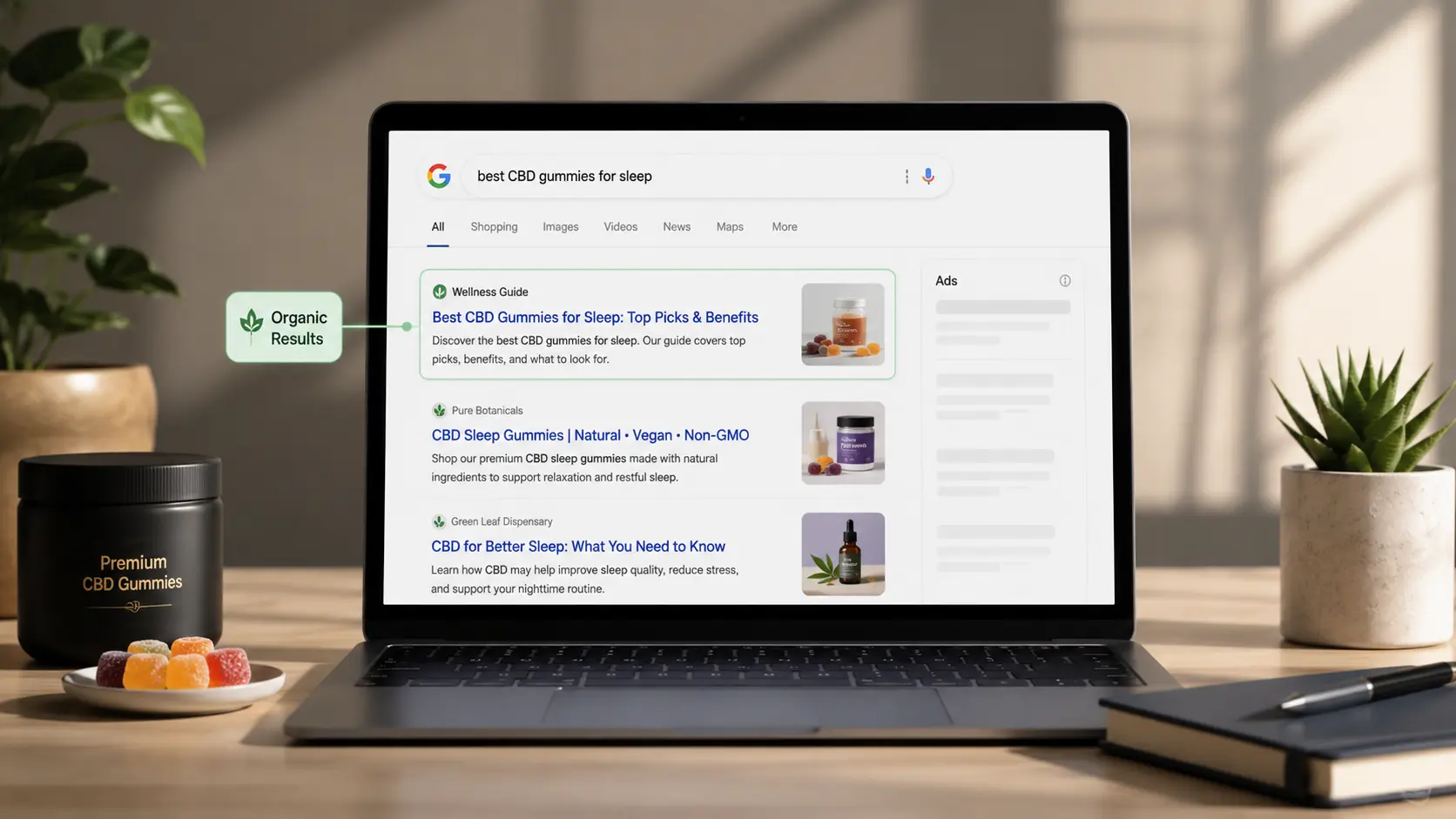
Cannabis SEO is the process of optimizing your website, content, and technical structure so your cannabis or CBD brand ranks higher in organic search results. It helps cannabis dispensaries, eCommerce brands, and marketplaces attract more direct and organic visits without relying on paid search traffic.
Organic search results are the non-paid listings that appear on a search engine results page (SERP) such as Google, and are based on their relevance to the user’s query. For example, when someone searches for “best CBD gummies for sleep”, the blog posts, product pages, or guides that show up under the ads are considered organic results that were earned through SEO, not paid placement.
🚀Starting from the beginning? In this cannabis podcast, industry experts explain from top to bottom: Cannabis Dispensary SEO 101.
Why Cannabis SEO Matters More Than Ever
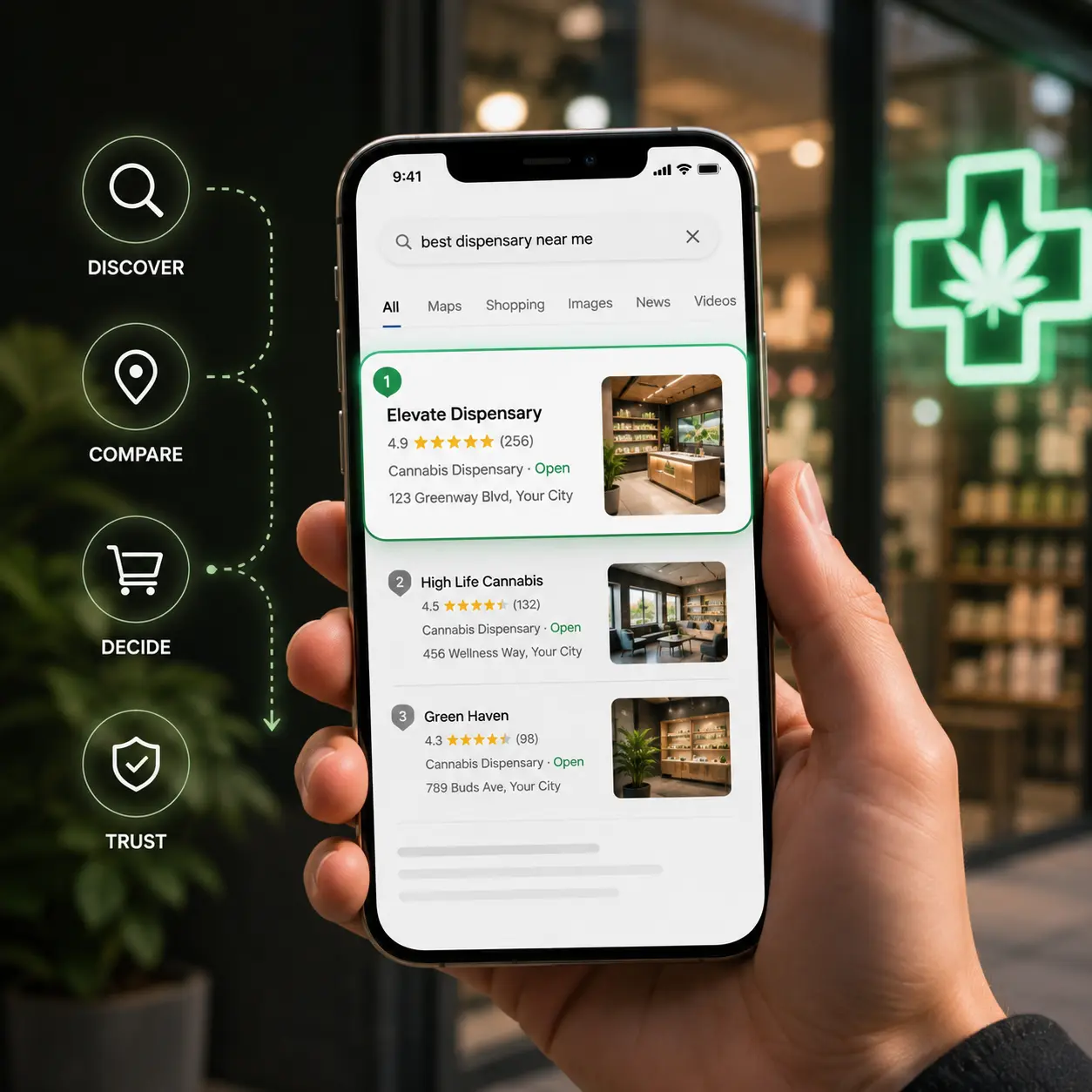
When people search for cannabis products or dispensaries, they are signaling real intent to discover and buy. Search engines have become the primary means by which customers discover local cannabis businesses, compare options, and determine where to go. For cannabis brands and dispensaries, SERP visibility directly shapes who gets trust and who gets overlooked.
🚀Wondering what to expect next? Read, SEO: Expectations vs Reality
How Cannabis SEO Works as a System
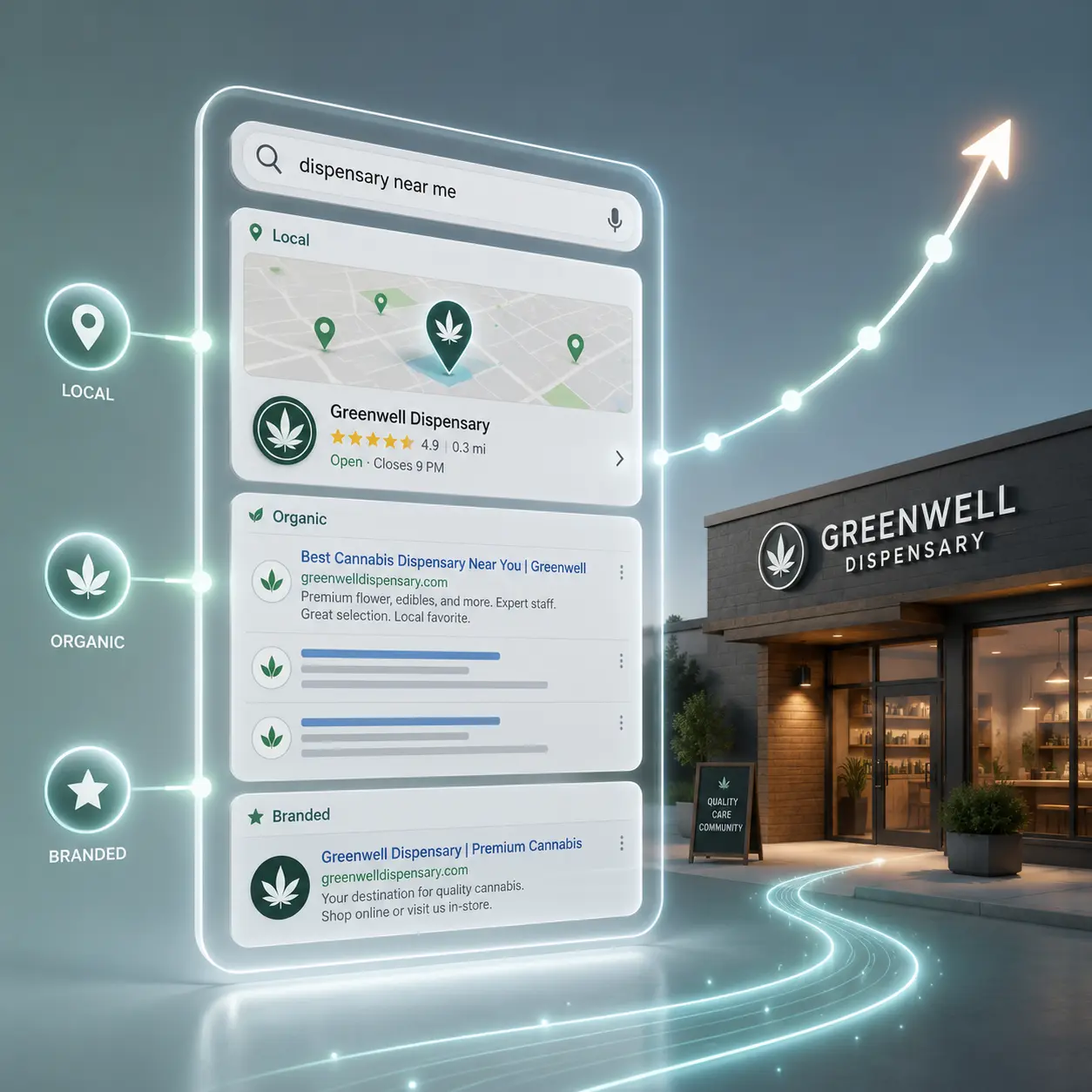
In regulated markets where paid advertising is limited or unavailable, organic search plays an even larger role. Local results, organic listings, and branded searches form a coordinated system that increases the likelihood that your cannabis brand will be discovered when a customer is ready to act. Over time, a consistent cannabis SEO strategy compounds, creating durable visibility that supports growth across locations, products, and markets. Here’s how it works:
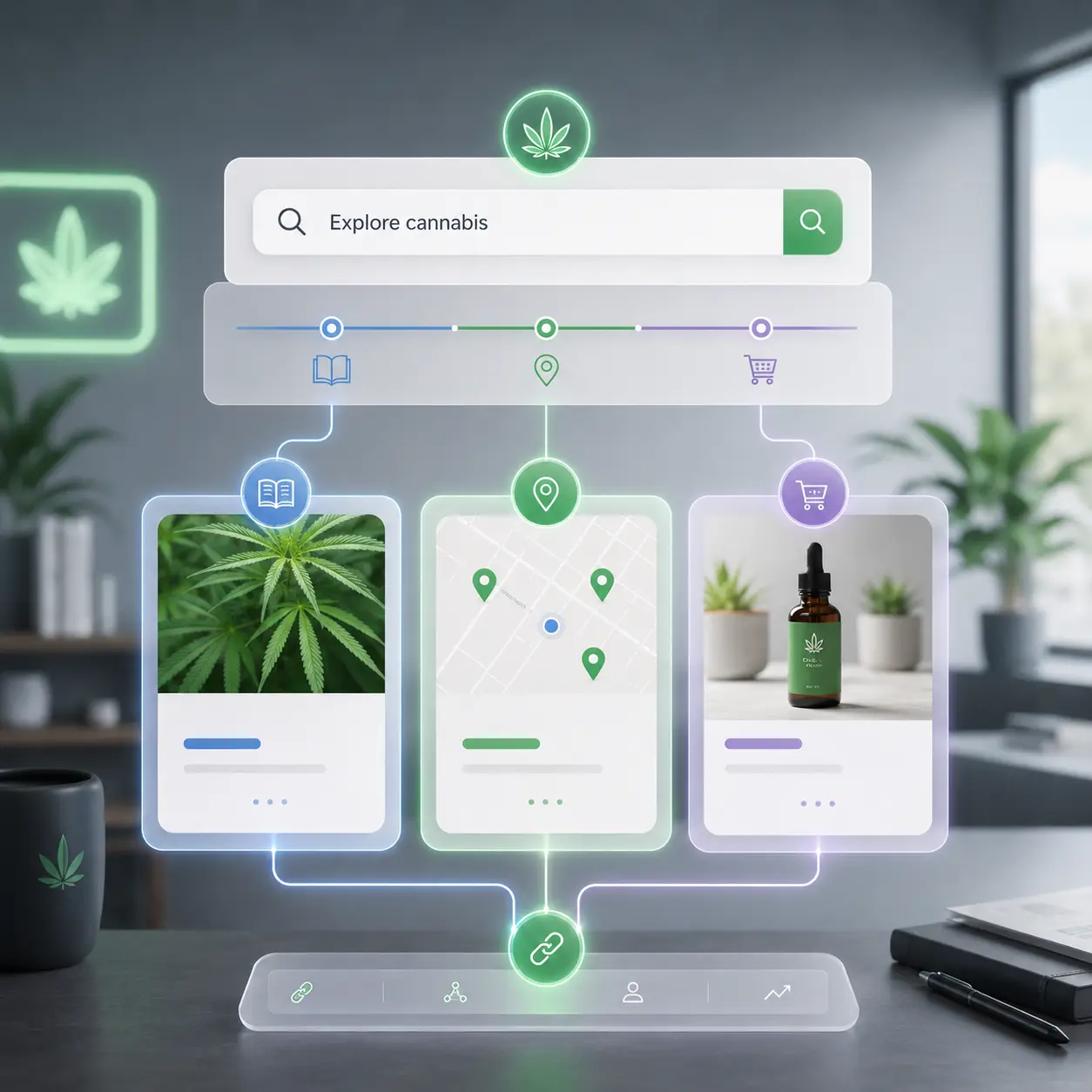
Search Intent Comes First
Every successful SEO strategy starts with understanding audience and intent. Some searches signal research and education. Others indicate local discovery or readiness to purchase. Cannabis websites that mismatch intent, such as targeting national informational keywords with local retail pages, often fail to rank or convert.
An intent-driven keyword strategy determines page structure, content depth, and internal linking. It also informs which topics belong in educational resources and which belong closer to conversion paths.

Content Builds Authority Before Sales
In cannabis, trust precedes transactions. Search engines look for consistent, high-quality content that demonstrates subject matter understanding over time. Educational content establishes topical authority, while supporting articles address specific questions and scenarios.
This layered approach allows brands to answer broad questions without forcing premature sales messaging. Conversion happens later, after credibility is established.

Technical Health Is Everything Else
Technical SEO determines whether search engines can crawl, index, and evaluate a site accurately. Issues like slow load times, mobile usability problems, broken internal links, and improper indexing directives can suppress rankings regardless of content quality.
Because many cannabis sites rely on third-party tools for menus, ecommerce, or compliance, technical oversight becomes especially important.
The Core Pillars of Cannabis SEO

The pillars of cannabis SEO are the foundational areas that influence how your site is discovered, evaluated, and ranked in search results. Each pillar plays a distinct role, but they work best when approached together rather than in isolation.
This guide introduces each pillar at a high level, with Academy pages serving as the primary source for deeper learning. Supporting articles and cannabis podcast are linked throughout, while the Cannabis Marketing Academy offers expert-led lessons and quizzes to help reinforce understanding and validate your knowledge.
Cannabis SEO Core Pillar 1:
Technical SEO
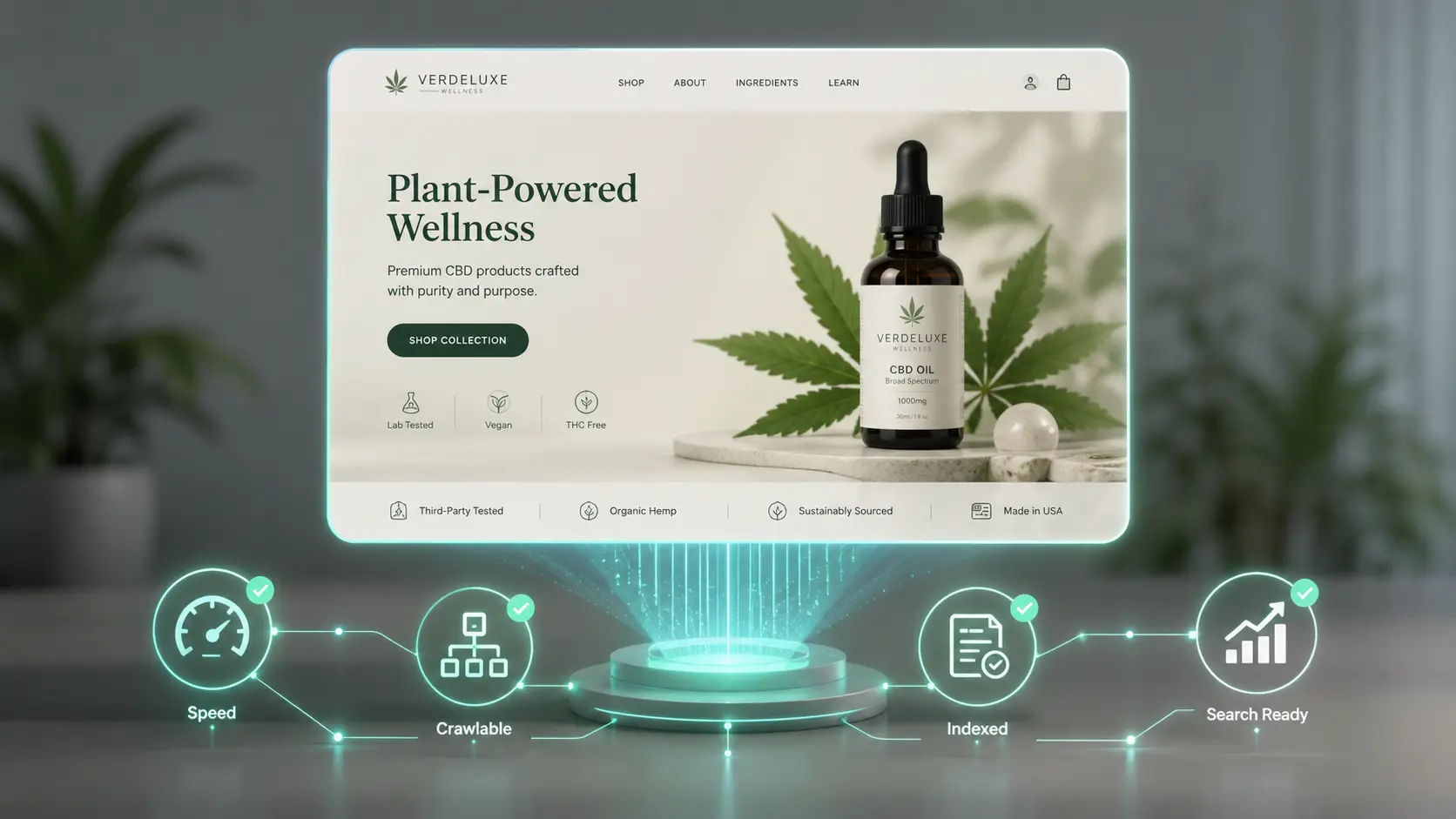
Ensures your cannabis or CBD website is fast, crawlable, and indexable so search engines can discover and rank your content. Without these elements, even great content may never rank or be seen.
🚀Explore Technical SEO Academy
Site Speed & Core Web Vitals
Your website must load quickly across all devices. Google’s Core Web Vitals evaluate load time (LCP), interactivity (FID), and visual stability (CLS).
Mobile-First Indexing
Google primarily crawls and indexes the mobile version of your site. A responsive design will display your content, menus, and CTAs so that they function properly on smartphones and tablets.
XML Sitemaps & Robots.txt
An XML sitemap helps search engines discover all pages you want indexed, while a properly configured robots.txt file ensures they avoid restricted or duplicate paths.
HTTPS, Redirects & Canonical Tags
Secure sites (HTTPS) are a ranking signal. 301 redirects send users and bots to the right version of a page. Canonical tags help resolve duplicate content, especially on eCommerce or marketplace sites.
Structured Data / Schema Markup
Schema markup helps Google understand and feature your content. For cannabis/CBD, use product, review, local business, and FAQ schema to enhance visibility.
Clean URL Architecture
Simple, keyword-rich, hyphenated URLs are easier for users to understand and for search engines to rank. Avoid long strings with parameters or unnecessary folders.
Crawl Errors & Broken Link Fixes
Monitor crawl reports for broken links, missing pages (404s), or blocked URLs. Fixing these ensures search engines don’t waste crawl budget or miss important content.
Cannabis SEO Core Pillar 2:
On-Page SEO
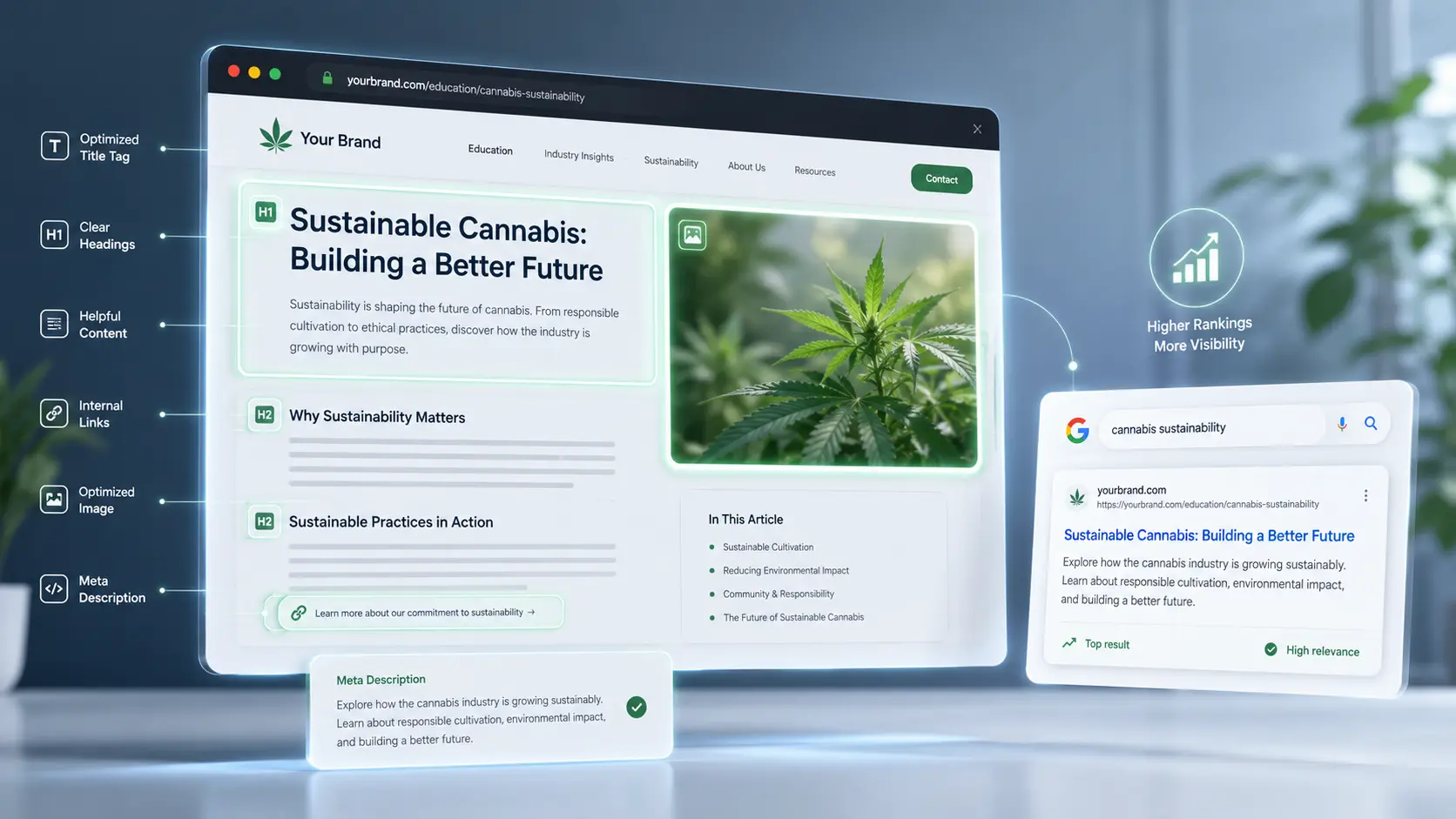
On-page SEO focuses on optimizing individual web pages to make them more relevant, user-friendly, and discoverable by search engines. These elements help search engines understand your content and serve it to the right audience at the right time.
🚀Explore Cannabis On-Page Optimization Academy
Title Tags & Meta Descriptions
Title tags are the clickable headlines in search results. Meta descriptions are the summaries below them. Both influence click-through rate and must include target keywords.
Header Tags (H1–H6 Hierarchy)
Header tags structure your content by importance. H1 is the page title, while H2s and H3s organize content for both users and search engines.
Image Optimization (Alt Text & Compression)
Alt text improves accessibility and helps Google understand what images depict. Compression ensures images load quickly without slowing down the site.
Internal Linking
Internal links connect related pages across your site, guiding both users and search engines through your content. They help distribute authority and reinforce topical relevance.
Anchor Text Optimization
Use natural, keyword-relevant phrasing in internal links to help search engines understand page relationships and relevance.
Keyword Placement
Strategically placing keywords in headings, paragraphs, and metadata signals what your page is about and boosts its chance of ranking for target queries.
Content Structure & Readability
Use short paragraphs, bullet points, and visual breaks to make content easier to scan. Search engines favor well-structured pages that improve user engagement.
Voice Search Optimization
Optimize content for spoken, conversational queries used on mobile devices and voice assistants. You’ll need to complete voice search registration so that search engines can properly index and return your business for eligible voice searches.
Cannabis SEO Core Pillar 3:
Content Strategy & SEO Copywriting
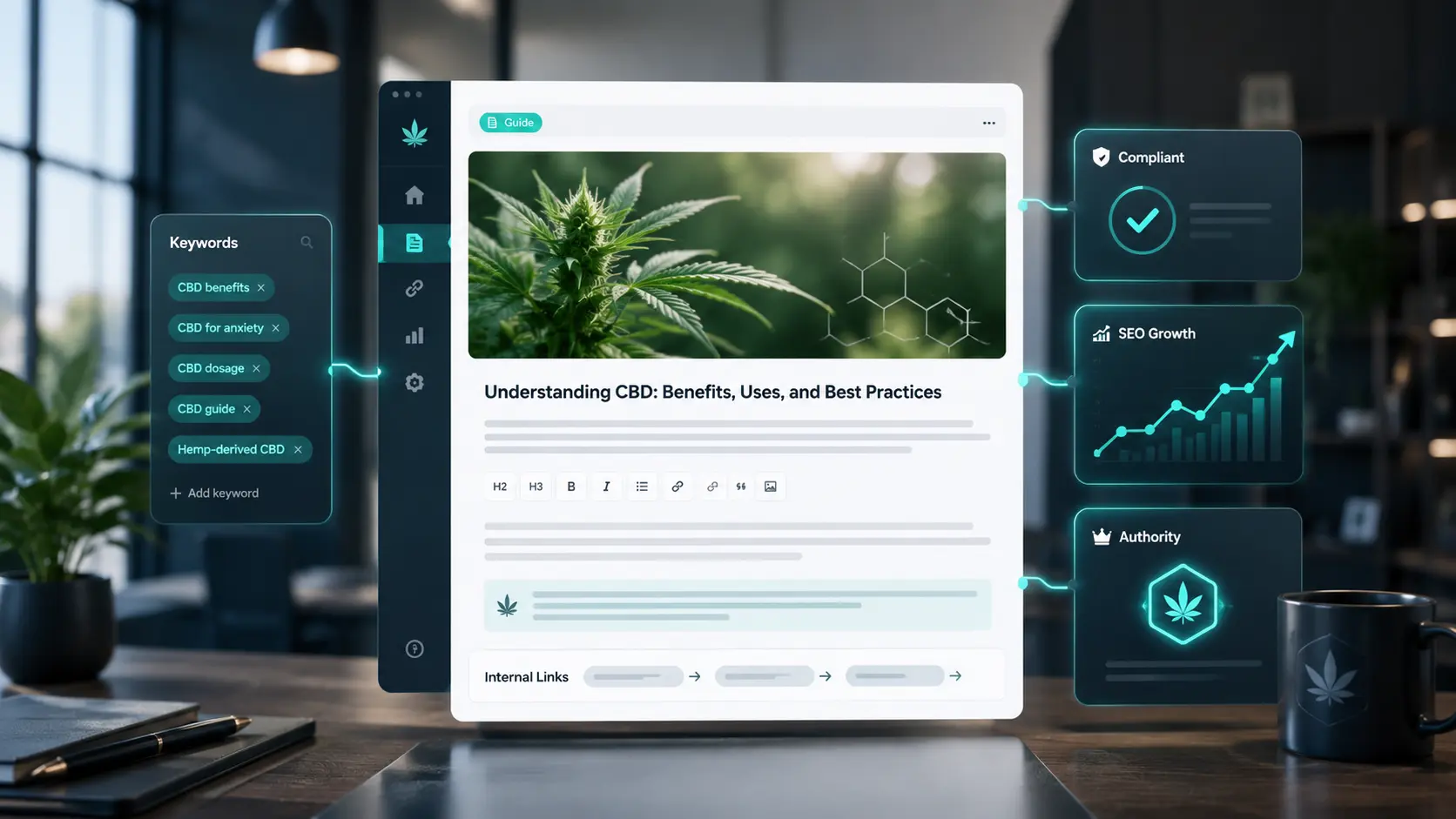
Content strategy drives rankings and builds authority through valuable, keyword-targeted, and compliant content.
🚀Explore Cannabis Content Marketing Academy
Blog Articles & Education Hubs
Top-of-funnel content that targets informational search intent, establishes authority, and drives traffic from curious consumers and researchers.
Product/Category Page Copy
Well-optimized descriptions that clearly explain benefits, usage, and product differentiation.
Strategic Landing Pages
Custom pages targeting specific search intent, like "dispensary in San Diego," to increase visibility for regional searches.
Glossaries, FAQs & Pillar Pages
These content types target long-tail keywords and improve semantic relevance. They are helpful for featured snippets and voice search.
E-E-A-T (Experience, Expertise, Authority, Trust)
Strengthen content credibility by clearly identifying authors, sourcing information responsibly, and maintaining consistent brand and subject-matter expertise.
Cannabis SEO Core Pillar 4:
Keyword Research & Search Intent Alignment
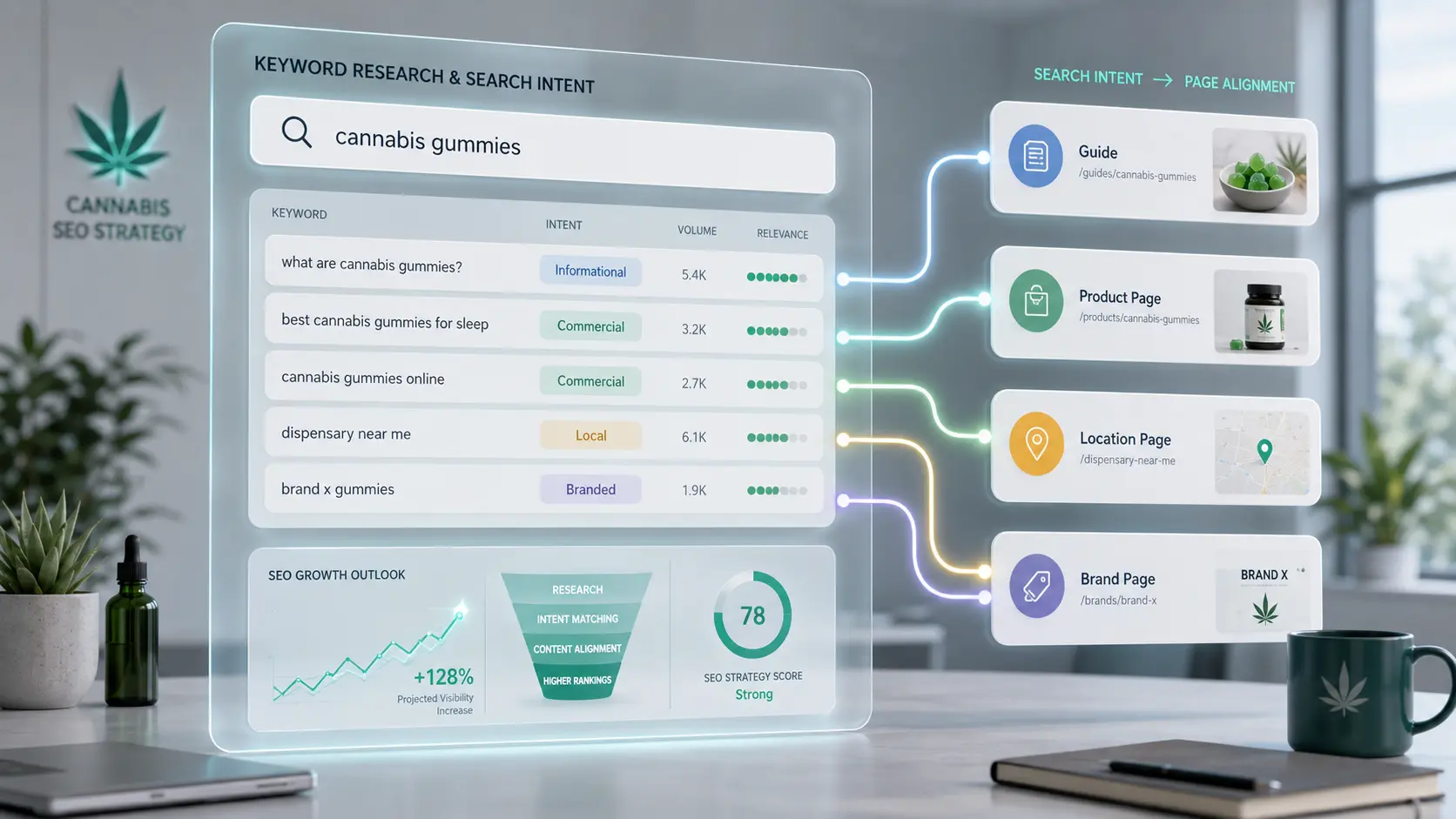
Keyword research is the bedrock of any successful cannabis SEO strategy. It’s main purpose is identifying what your customers are searching for, understanding the intent behind those searches, and mapping them to pages across your site.
🚀Explore Cannabis Keyword Strategy Academy
High-Volume, Low-Competition Keywords
Target keywords that have high search volume but relatively low competition. These are often niche product terms, conditions people are treating, or cannabis/CBD education queries.
Long-Tail and Localized Queries
Long-tail keywords are more specific and often indicate purchase intent (e.g., "CBD gummies for anxiety" or "THC tinctures in Portland"). These are critical for dispensaries and CBD brands alike.
Search Intent Mapping
Each keyword has a purpose behind it: informational ("what is CBD"), navigational ("Weedmaps login"), or transactional ("buy vape cartridges online"). Optimizing for the right type increases conversion.
Compliance Filtering for Banned Terms
Cannabis SEO must consider advertising rules even in organic search. Avoid regulated or banned phrases that could flag your content or reduce trust signals.
Keyword Clustering & Prioritization
Group related keywords by topic (cluster) and assign them to a pillar page or supporting blog post. This approach builds authority and improves topical coverage.
Cannabis SEO Core Pillar 5:
Internal Linking & Site Architecture
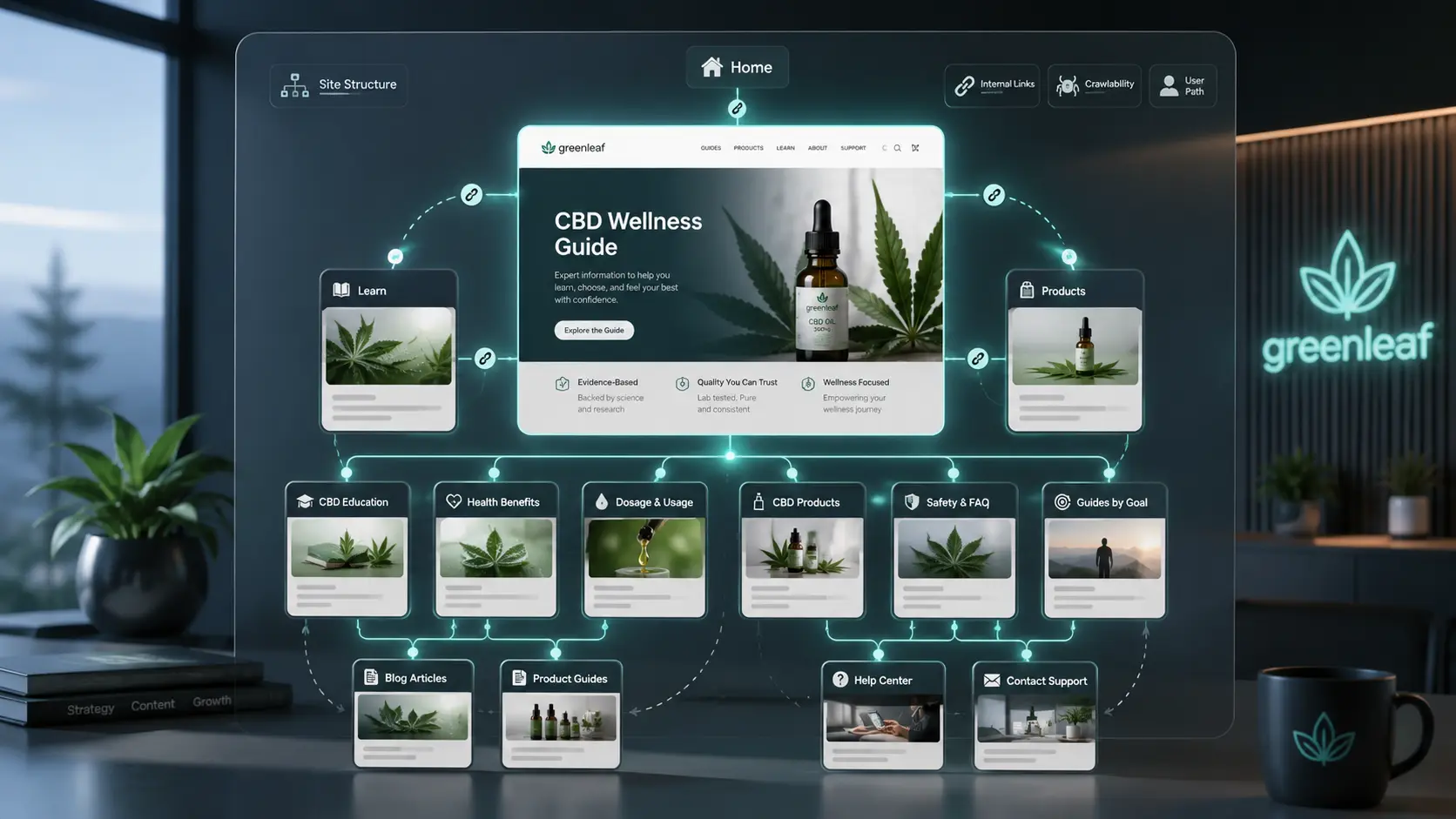
Internal linking and thoughtful site architecture help users and search engines understand the hierarchy and relationships of your content. This improves crawlability, distributes authority across key pages, and enhances user experience.
Topic Clusters & Pillar Content
Group related content together using a central "pillar" page that links out to detailed subtopics. This boosts topical authority and engagement.
Breadcrumbs & Contextual Links
Breadcrumbs make it easier for users to navigate back through your site's structure and help search engines understand page context. Contextual links placed within content also reinforce relationships between topics.
Homepage-to-Category Linking
Ensure your homepage links to your top categories (e.g., "CBD Tinctures," "Edibles") to pass authority and create clear pathways for bots and users.
Deep Linking to PDPs & Educational Pages
Linking directly to product detail pages (PDPs) or deep content (e.g., top strains for creativity) helps those pages rank and improves overall crawl depth.
Cannabis SEO Core Pillar 6:
Website UX & SEO-Friendly Design
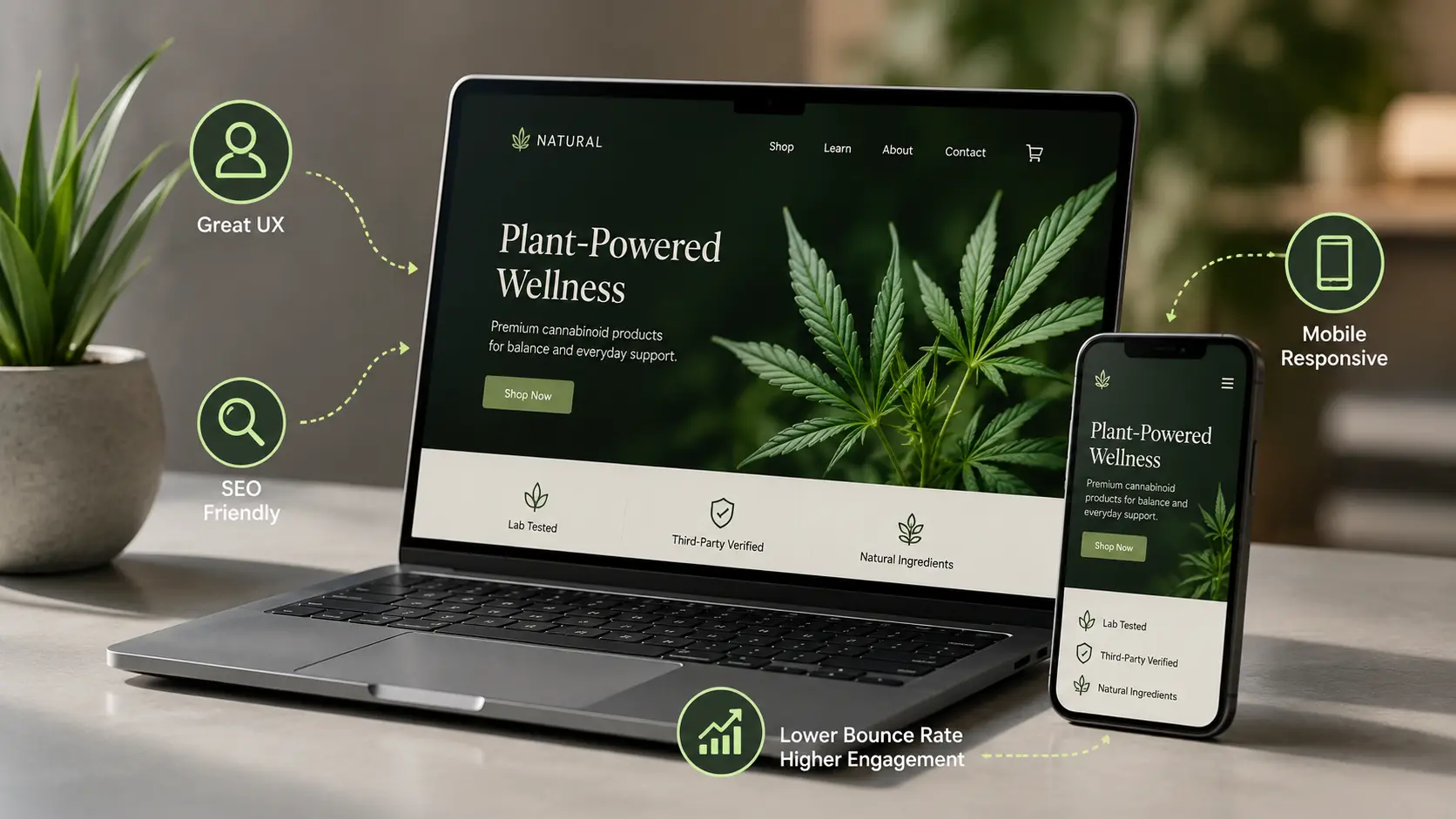
User experience (UX) and SEO go hand in hand. A well-designed website that's easy to navigate, visually appealing, and mobile-responsive keeps users engaged and reduces bounce rates.
🚀Explore Website UX & SEO-Friendly Design Academy
Mobile Responsiveness
With mobile-first indexing, your site must function flawlessly on smartphones and tablets. This includes layout, menus, forms, and clickable elements.
Navigation & Menu Structure
Clear, intuitive menus help users find what they need fast. Search engines use your nav structure to understand site hierarchy.
Conversion-Friendly Landing Pages
Design landing pages to guide visitors toward a goal: purchases, sign-ups, or calls. Use clear CTAs, concise copy, and product/service highlights.
Visual Hierarchy & CTAs
Use size, color, and placement to draw attention to key actions. A clear visual hierarchy improves user flow and search engine understanding.
Accessibility (ADA Compliance & Alt Text)
Ensure your site meets accessibility standards, including alt text for images, proper contrast, and keyboard navigability. This expands audience reach and supports SEO.
Cannabis SEO Core Pillar 7:
Off-Page SEO & Authority Building

Off-page SEO builds your website’s credibility and trust by earning signals from other reputable sources online. It plays a major role in how search engines determine your site's authority, relevance, and trustworthiness.
🚀Explore Cannabis Reputation Management Academy
Backlink Building (White-Hat Outreach, Niche Directories)
Earn backlinks from relevant, high-authority cannabis, health, and local industry websites. This shows Google your content is valuable and trustworthy.
Backlink anchor text diversity
Ensure your site is earning links with a mix of branded, exact-match, and partial-match anchor text to avoid spam flags and boost authority naturally.
Directories & Citations
Unlinked brand mentions and business listings across directories or publications still provide SEO value by confirming your business’s legitimacy.
Guest Posting & PR
Publishing thought leadership on reputable sites builds authority and drives referral traffic, while improving backlink diversity.
Social Signals (Engagement → Visibility)
Although not direct ranking factors, high engagement on social channels increases brand awareness and content visibility, which can lead to links.
Podcast, YouTube, & Affiliate Mentions
Mentions in third-party content (audio, video, affiliate blogs) help drive brand recognition and contribute to off-page trust signals.
Cannabis SEO Core Pillar 8:
Local SEO (for Dispensaries and Delivery Zones)

Local SEO helps cannabis dispensaries and delivery-only services appear in local search results and Google Maps. Cannabis dispensary SEO drives foot traffic, calls, and online orders from nearby consumers.
🚀Explore Cannabis Local SEO Academy
Google Business Profile Optimization
Claim and fully optimize your Google Business Profile with accurate NAP info, hours, categories, photos, chat features, and service areas.
NAP Consistency Across Citations
Your business name, address, and phone number must be identical across all online directories, review platforms, and listings.
Local Reviews and Engagement
Encourage customers to leave reviews on Google and other platforms. Respond professionally to build trust and improve local ranking signals.
Location-Specific Landing Pages
Create unique landing pages for each store or service area with relevant keywords, driving directions, and local content.
Map Pack Visibility
Appearing in Google’s Local Map Pack can significantly increase calls and foot traffic. Map Pack ranking depends on relevance, distance, and prominence.
"Near Me" Keyword Optimization
Use keywords like "CBD near me" or "dispensary near [city]" in on-page content, schema, and local landing pages.
Cannabis SEO Core Pillar 9:
AI-Driven Search Optimization (AI SEO)

Search is no longer just about ranking #1 in blue links. Google's AI Overviews, Bing's AI-generated summaries, and emerging tools like Perplexity and ChatGPT browsing are changing how users consume content. Cannabis brands must optimize for visibility in AI-generated answers, not just traditional SERPs.
🚀Cannabis AI Search Engine Optimization Academy
Page Zero Optimization (Generative AI Visibility)
Optimize content to compete for AI-generated answers that appear above traditional search results.
Answer-Based Content Structuring
Write clearly structured content that answers questions directly. Use H2 and H3 subheadings with natural-language queries and short, LLM-friendly answers immediately following.
E-E-A-T Signals Still Apply
AI prioritizes content from trustworthy, transparent sources. Reinforce your expertise, experience, authority, and trust with author bios, sourcing, and business credentials.
First-Party Data & Unique POVs
LLMs are trained on the open web; they avoid generic content. Invest in creating content with original insights, proprietary data (e.g., cannabis consumer behavior), or expert perspectives.
Conversational Content (Prompt-Aware SEO)
Write content that mirrors how users ask questions in chat-like formats. Incorporate long-form FAQs, glossary definitions, and scenario-based explanations.
AI Mentions, Citations & LLM Crawling
Ensure your brand and content are mentioned on authoritative sources that LLMs crawl (Reddit, Wikipedia, trade publications, and .edu/.gov sites).
Cannabis SEO Core Pillar 10:
Multi-State & Marketplace SEO (for MSOs and CBD brands)
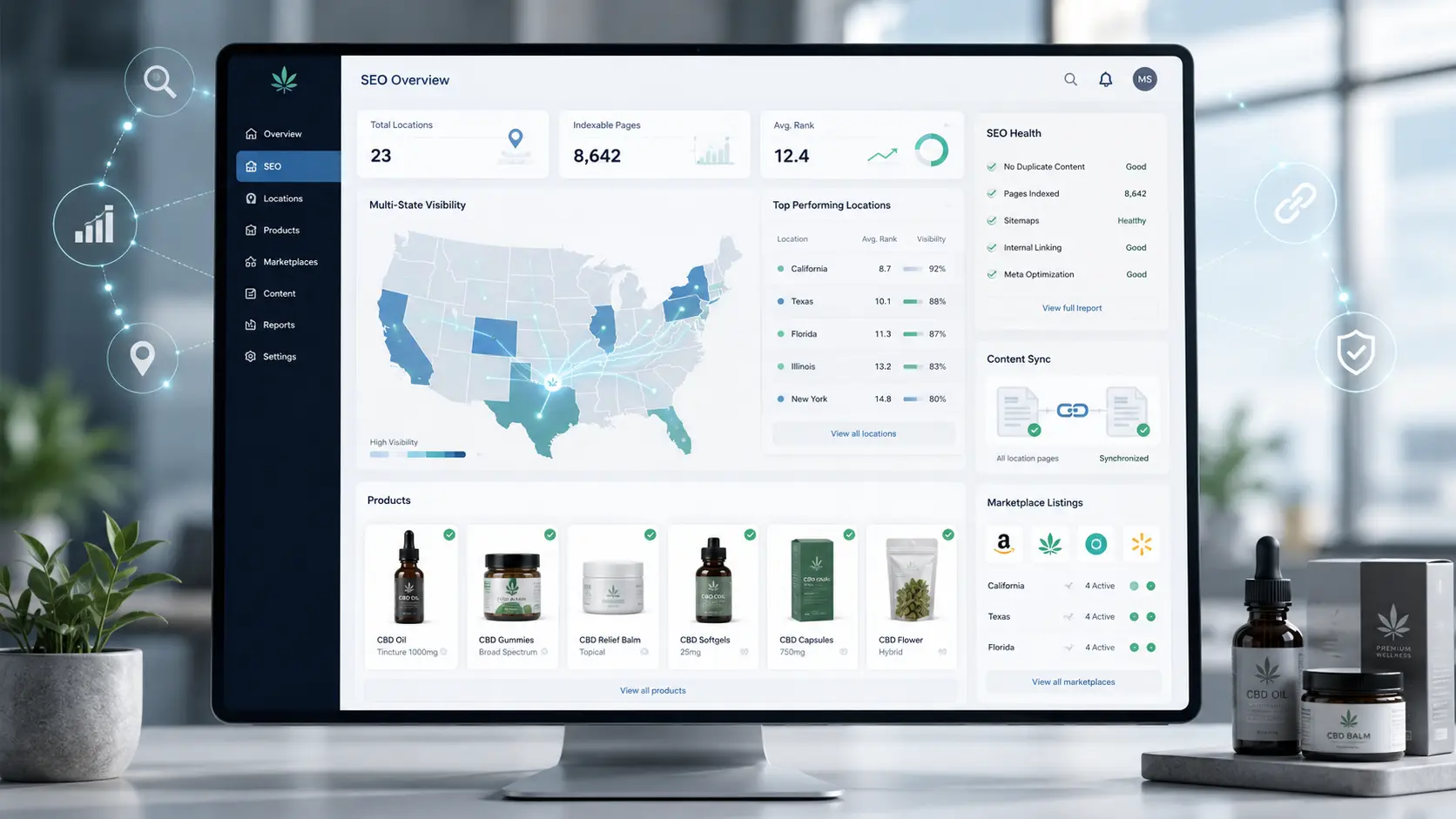
Multi-state operators (MSOs), CBD brands, and cannabis marketplaces face complex SEO challenges like scaling content across locations or SKUs, avoiding duplicate content, and maximizing product visibility.
🚀Cannabis Marketplace SEO Academy
Product Filters with Long-Tail URL Logic
Use faceted navigation and URL rules to enable search engines to index filtered product views like "/cbd-gummies/vegan/low-dose".
Unique Vendor/Product Descriptions
Avoid duplicate content by rewriting vendor-supplied copy and creating original content for SKUs and listings.
Canonical Tag Management
Use canonical tags to signal the preferred version of duplicate or near-duplicate pages, which is especially important for marketplaces and category filters.
Site Search Optimization
Leverage internal search data to optimize pages and identify new keyword opportunities from real user behavior.
Cannabis SEO Core Pillar 11:
Cannabis SEO Restrictions & Compliance

Compliance-driven SEO ensures your cannabis or CBD website stays legally sound while still achieving organic visibility. Search engines prioritize trust, and violating compliance best practices can lead to deindexing, lost rankings, or regulatory risk.
🚀Cannabis SEO Compliance Academy
Avoiding Banned Keywords or Claims
Refrain from using restricted phrases like "cures anxiety" or "guaranteed relief." Instead, frame content around education and benefits without making unproven health claims.
Disclaimers and Legal Footers
Include disclaimers where needed (especially for health-related content), and maintain up-to-date terms, privacy policies, and age verification notices.
Health Claim Substantiation & FTC Compliance
Ensure any health-related statements are truthful, non-misleading, and supported by appropriate evidence in line with FTC advertising guidelines. Frame content educationally rather than prescriptively to reduce regulatory risk and protect search visibility.
State-by-State Content Requirements
Each state may have unique marketing restrictions. Tailor your content and disclaimers to local laws, especially for cannabis delivery services or online CBD sales.
HIPAA Compliance for Medical Dispensaries
Medical dispensaries must structure data collection and reporting so patient information remains private and secure.
Cannabis SEO Core Pillar 12:
Analytics & SEO Performance Tracking
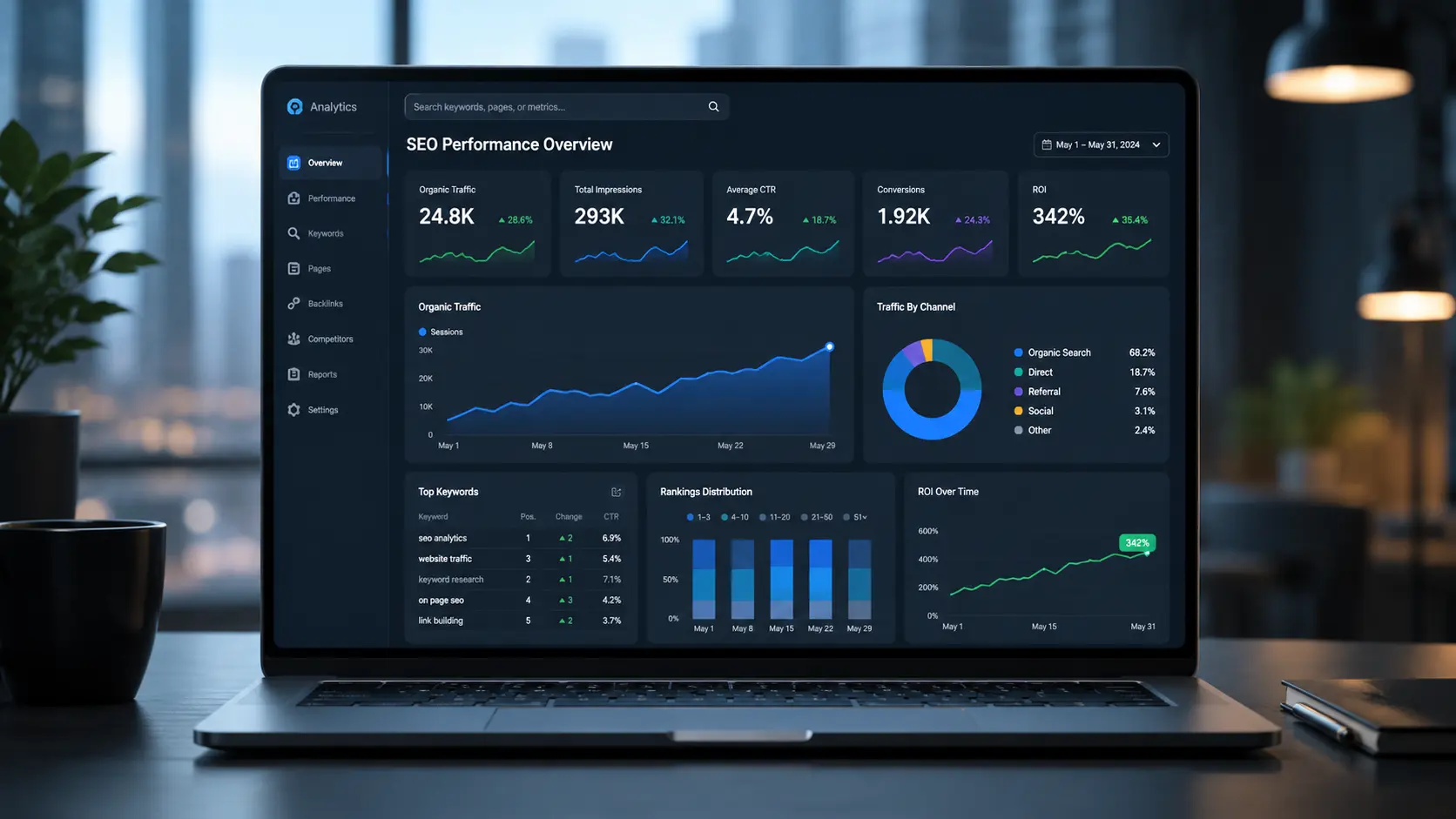
Tracking your SEO performance with website KPIs through tools like Google Analytics is critical for understanding what’s working, identifying gaps, and proving ROI. These metrics help refine strategy and justify investment over time.
Organic Traffic
Measures how many visitors arrive at your site via unpaid search. A rise in organic traffic is often the first indicator that SEO is gaining traction.
Keyword Rankings
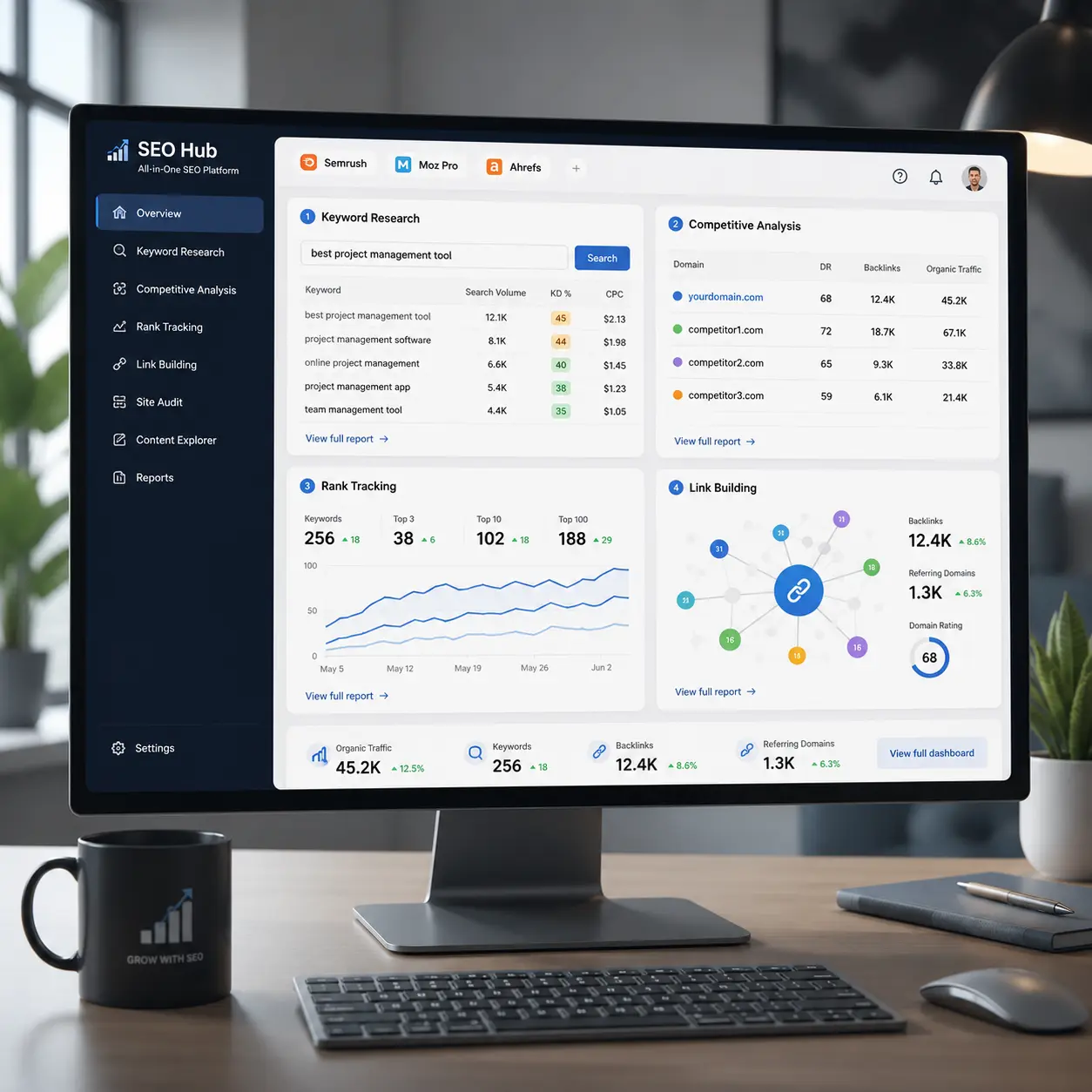
Track where your site is ranking for priority keywords. Tools like Semrush or Google Search Console help you monitor progress.
User Experience (UX) Signals
Measure how users navigate and interact with your site, including scroll depth, time on page, navigation paths, and friction in interactions.
Click-Through Rate (CTR)
Click-through rate measures the effectiveness of your search engine snippets and listings. Calculate: the number of clicks that your snippet receives divided by the number of impressions that it receives.
Page Engagement & Bounce Rate
These metrics show how users interact with your content. High engagement signals relevancy; a high bounce rate may indicate a mismatch between content and search intent.
Backlinks & Referring Domains
Measure the quantity and quality of websites linking to your content. Backlinks from relevant, authoritative sources signal trust to search engines and play a key role in ranking and visibility.
Website Health Score
Your site’s health score measures the overall technical health of your website. Maintaining a high health score is important so search engines can crawl, index, and rank your pages well.
Technical Health Score
Tools like Ahrefs and Semrush assign a health score based on your site’s crawlability, speed, errors, and security.
Cannabis SEO Core Pillar 13:
SEO Audits & Iteration
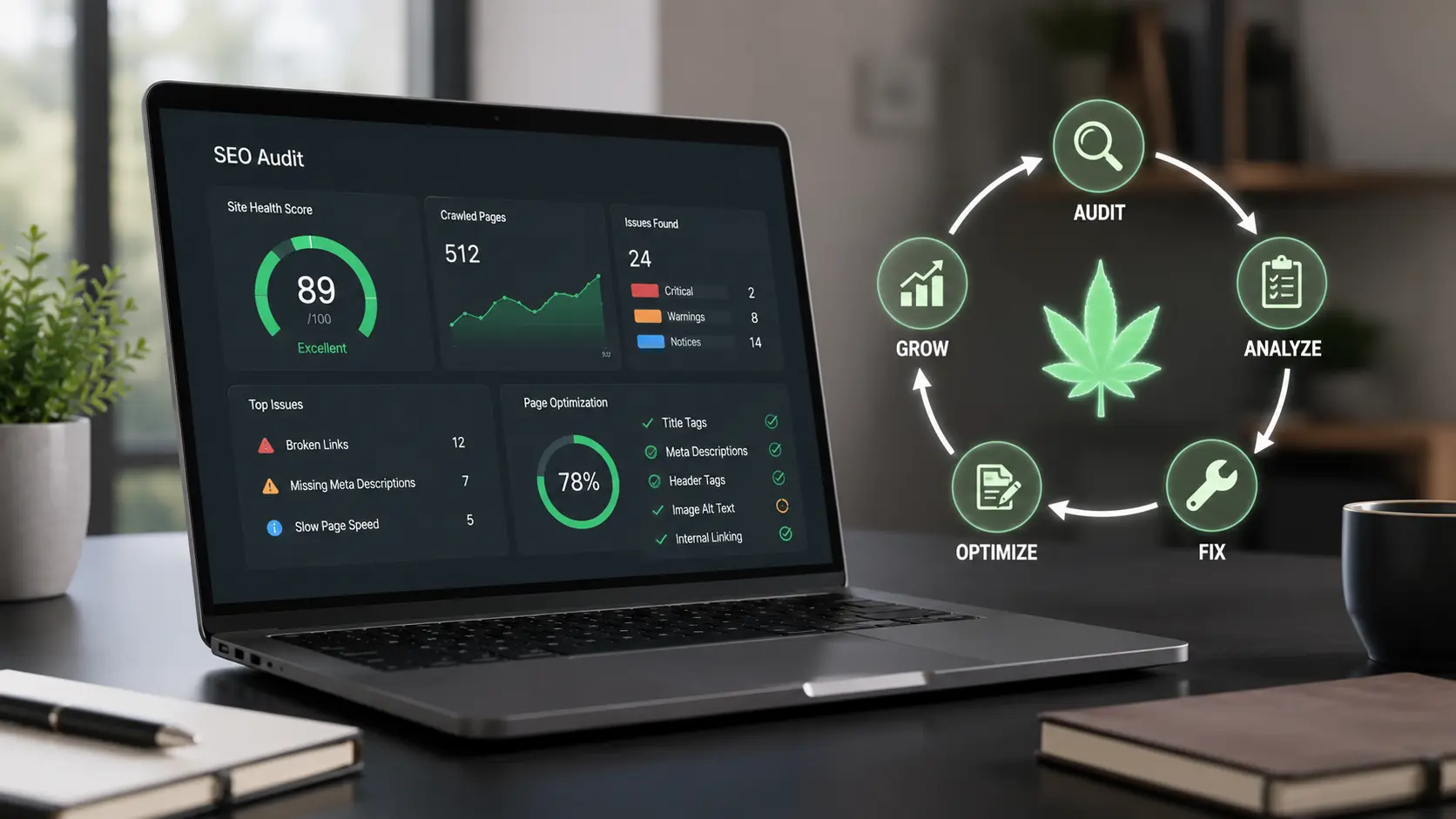
SEO is never one-and-done. Regular audits ensure your cannabis or CBD site remains optimized, competitive, and aligned with Google’s latest ranking signals. Use audits to fix technical issues, update stale content, and identify new growth opportunities.
🚀 Cannabis SEO Audit Template
Quarterly Full-Site Audits
Evaluate technical health, indexing, speed, mobile performance, and content effectiveness every 90 days.
Local SEO Audits
Evaluate local citations, reviews, and location page performance to identify visibility gaps that impact map pack rankings and in-market discovery.
Content Gap Analysis
Find out what your competitors rank for that you don’t. Build new content to close visibility gaps across products, services, or buyer stages.
Competitor Benchmarking
Compare your SEO performance and backlink profile to top-ranking competitors to refine your content and authority strategy.
Algorithm Update Monitoring
Track Google core updates and their impact on your rankings. Adjust content strategy and technical setup as needed.
Technical Error Resolution
Quickly fix broken links, missing metadata, crawl errors, or improperly configured schema to keep your site fully indexable.
Blog Pruning
Regularly review and remove or consolidate underperforming blog content that no longer aligns with search intent or current strategy.
Each pillar of cannabis SEO supports broader cannabis marketing by improving visibility, trust, and discoverability across search. When these pillars work together, organic search strengthens brand presence, supports local and content marketing efforts, and reduces dependence on paid channels in regulated markets.
Tools for SEO Analytics
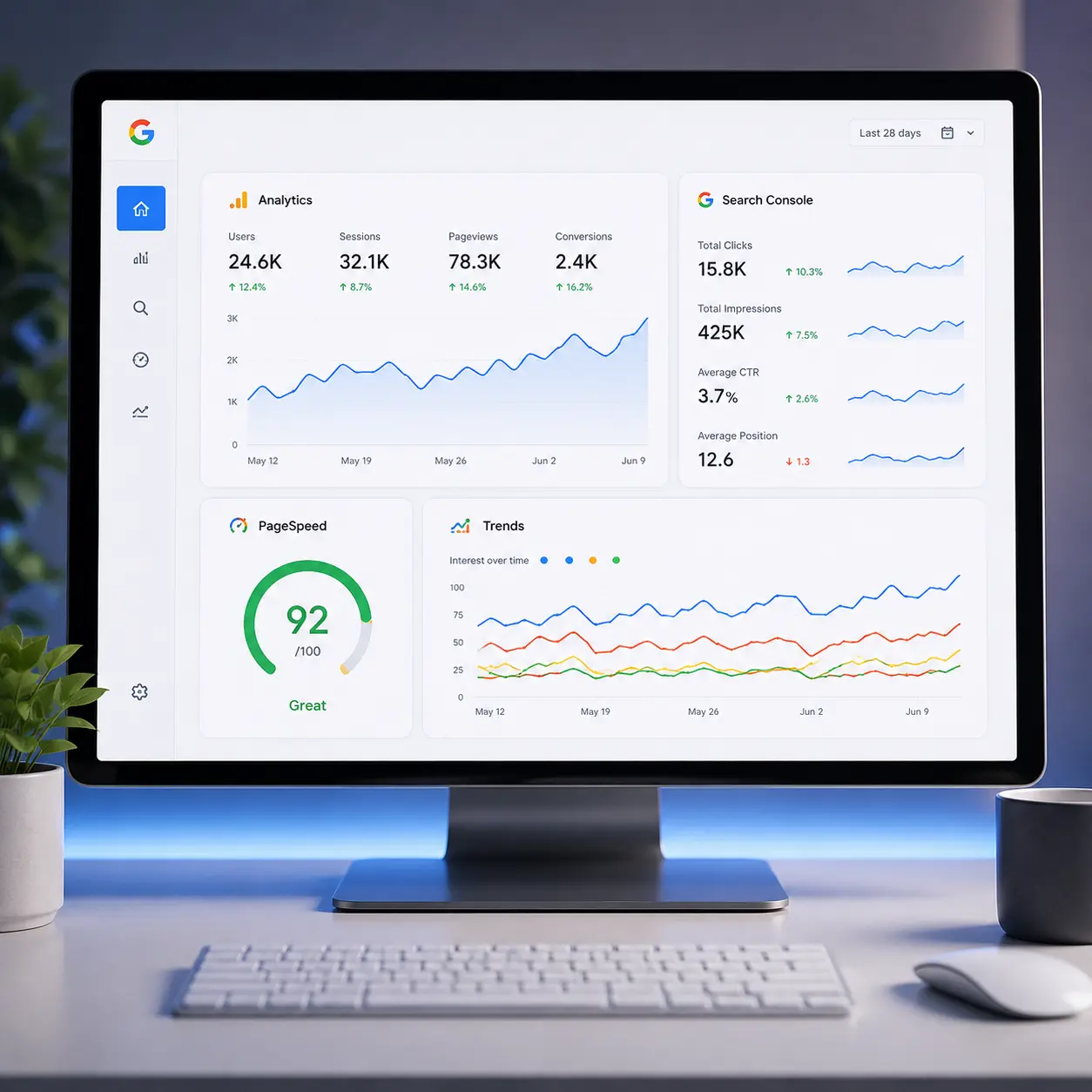
Google offers several free tools that should be part of any SEO toolkit
Common Cannabis SEO Mistakes to Avoid
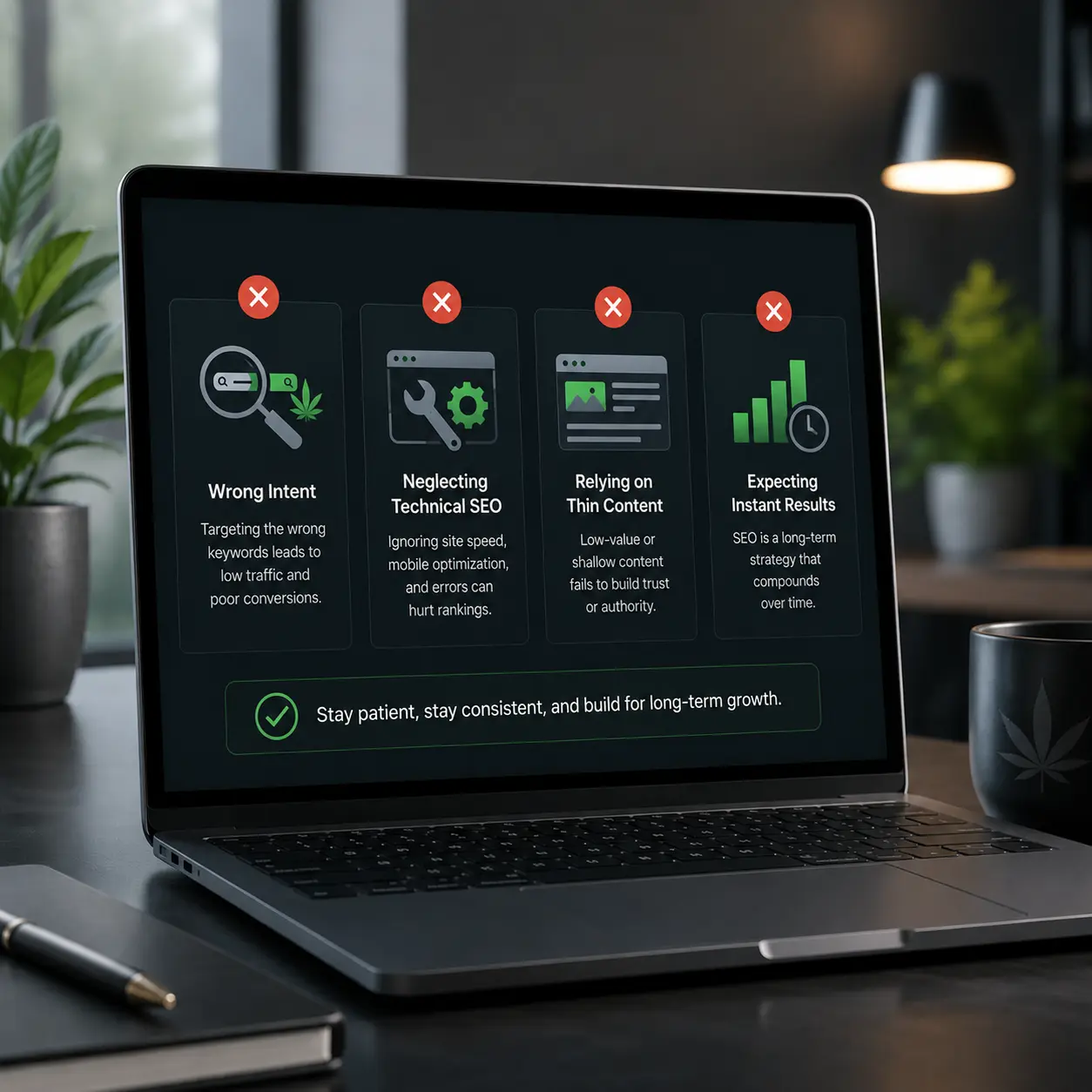
Many cannabis SEO challenges stem from misaligned expectations or fragmented execution. Common cannabis SEO mistakes include targeting the wrong intent, neglecting technical maintenance, relying on thin content, or expecting immediate results from long-term strategies.
Avoiding these pitfalls requires patience, coordination, and a clear understanding of how SEO compounds over time.
Cannabis SEO Works as a Connected System
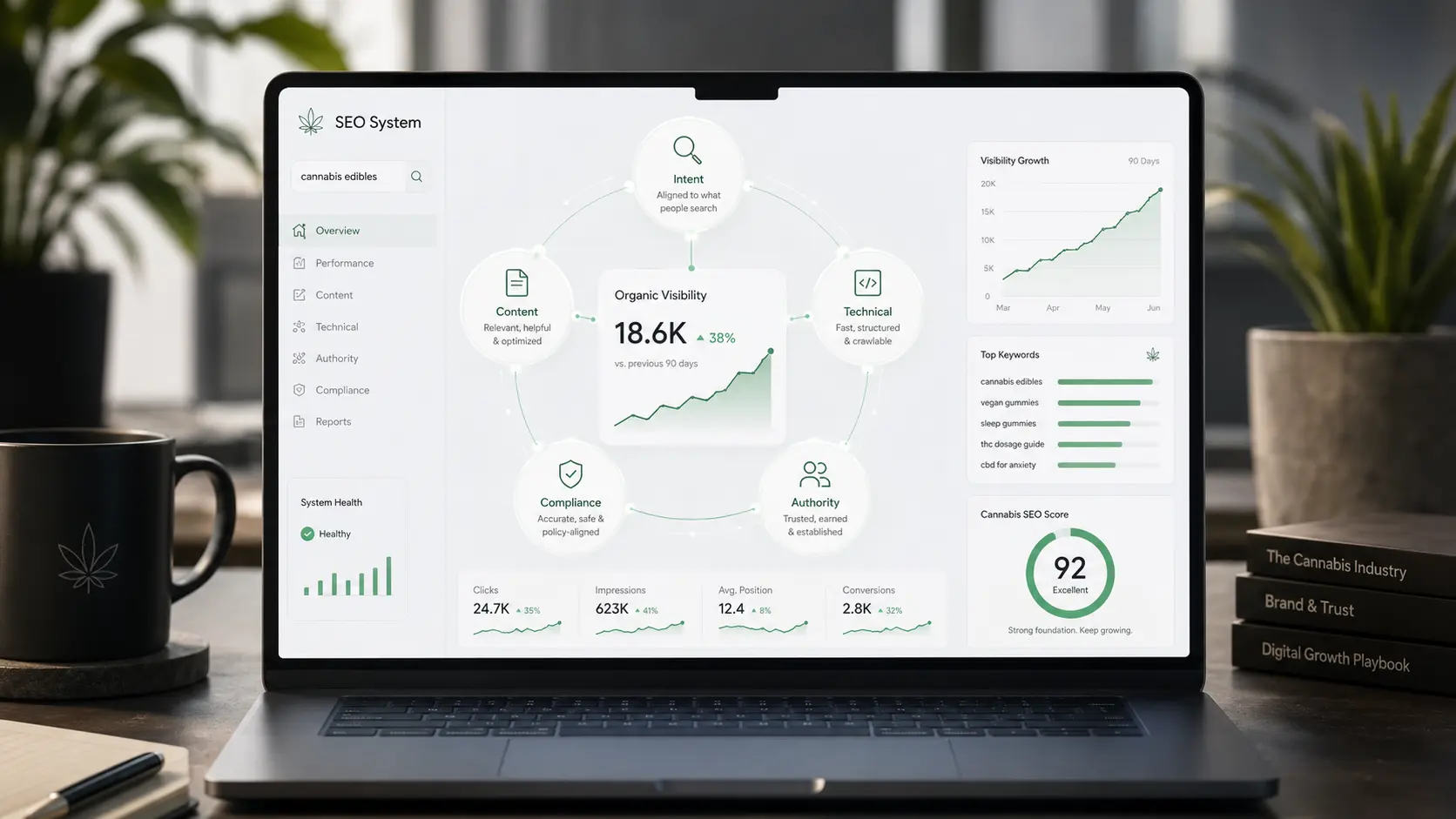
Cannabis SEO strategy aligns search intent, content, technical structure, compliance, and authority. When these elements work together, search engines can reliably understand, trust, and surface your site.
Built this way, SEO becomes a stable part of cannabis marketing rather than a reactive tactic. Visibility improves where intent is highest, trust compounds over time, and organic search supports growth even as platforms, policies, and algorithms change.
For teams looking to evaluate their current visibility or implement this system with expert support, reach out to MediaJel to discuss cannabis SEO strategy.
Frequently Asked Questions About Cannabis SEO
We’re answering: Most common SEO Questions.
Cannabis SEO is the process of optimizing a cannabis or CBD website to rank in organic search results while meeting compliance, local visibility, and platform trust requirements.
Cannabis SEO must account for advertising restrictions, state-by-state regulations, local intent, and longer buying cycles, making compliance and trust signals more critical than in most industries.
Yes. Search engine optimization is legal for cannabis businesses, but content must avoid prohibited claims, misleading health statements, and violations of state or federal marketing rules.
Most cannabis SEO strategies show early movement within 3–6 months, with stronger, more durable results developing over 6–12 months as authority and trust build.
Yes. Organic search is one of the most effective channels for dispensaries because it bypasses paid advertising restrictions and captures high-intent local searches.
Cannabis businesses should target a mix of local, long-tail, and informational keywords aligned with search intent, avoiding restricted or misleading terms that could reduce trust or visibility.
Yes. For dispensaries, local SEO is critical because most searches include geographic intent, and map pack visibility directly impacts foot traffic and calls.
AI Overviews prioritize clear, well-structured, authoritative content. Cannabis brands must optimize for answer-based visibility, not just traditional rankings.
Page Zero refers to AI-generated answers and featured results that appear above traditional search listings. Optimizing for Page Zero increases visibility even without a top organic ranking.
Medical dispensaries must ensure protected health information is not exposed through forms, analytics, chat tools, or tracking systems while still supporting SEO performance.
Success is measured through organic traffic, keyword visibility, engagement, conversions, local rankings, and overall site health rather than traffic alone.
Yes. High-quality, compliant content is essential for building authority, matching search intent, and earning visibility in both traditional search and AI-generated results.
The strategies and insights shared in this course are based on MediaJel’s extensive experience in cannabis marketing and programmatic advertising. Results may vary based on individual implementation, market conditions, and compliance requirements.



expand & engage retain & grow
From a dispensary launching in a local market to an established brand seeking to expand worldwide, programmatic can fuel your growth.
MediaJel is the industry’s digital marketing platform of choice for grow-focused brands and retailers like you.
Ready to accelerate?