Brand loyalty in cannabis isn't built through discounts — it's built through identity, archetype, and the kind of emotional connection that makes customers choose you without comparing prices. David Paleschuck, a former pro skater and Art and Design Gallery owner turned cannabis marketing expert, brings a uniquely creative and psychological perspective to how loyalty is created.The session covers what it means to be a challenger brand in cannabis, how to define your brand archetype in a way that resonates with the right audience, and how consumer psychology applies to building lasting loyalty in a competitive dispensary market. Cannabis brand marketers, dispensary marketing teams, and anyone working on brand positioning will find this both thought-provoking and strategically useful.

The lessons, mistakes, and growth strategies behind the industry’s most recognizable brands.

The Psychology Behind Developing Brand Loyalty in Cannabis Marketing with David Paleschuck

Watch Our FREE OnDemand Webinars

Key Insights
- - Cannabis brand loyalty is rooted in identity expression because cannabis consumers choose cannabis brands that align with and reinforce their self-concept, lifestyle values, and community membership, making identity alignment a more powerful loyalty driver than product quality or promotional offers for the consumers most likely to become genuine brand advocates.
- - The ritual dimension of cannabis consumption creates a unique loyalty opportunity because product integration into personal rituals makes switching psychologically costly in ways that have nothing to do with product quality, and brands that design products and packaging with ritual use in mind build loyalty through habitual association that pure product quality cannot replicate.
- - Community is the strongest cannabis brand loyalty amplifier available because consumers who feel genuine belonging in a cannabis brand community are not only personally loyal but actively recruit other consumers into the community, creating the social proof and peer influence that drives new customer acquisition at far lower cost than paid advertising.
- - Consistent sensory brand experience, including the visual, tactile, olfactory, and emotional qualities of the cannabis product and packaging, creates the embodied memory associations that make brand recognition immediate and emotionally resonant for loyal consumers, and inconsistency in these sensory signals disrupts the trust and familiarity that loyalty depends on.
- - Cannabis brand loyalty programs are most effective when they reward identity expression and community participation rather than purely transactional activity, because programs that make loyal consumers feel seen, celebrated, and part of something meaningful create emotional attachment that pure points and discount programs cannot generate.
Expert Answers
[{Why do cannabis consumers develop brand loyalty?}
Cannabis consumers develop brand loyalty through a combination of psychological factors that go beyond product satisfaction. Identity alignment, where the cannabis brand's values, aesthetic, and community feel congruent with the consumer's own self-concept and lifestyle, is the most powerful loyalty foundation because it connects cannabis brand choice to self-expression. Consistent positive product experience builds trust and reduces the cognitive cost of purchase decisions by making the outcome of buying a familiar brand predictable and reliable. Community belonging, where consuming a cannabis brand connects the consumer to a group of like-minded people, creates social loyalty that is difficult to break because switching brands means potentially losing community connection. Ritual integration, where a specific cannabis brand becomes embedded in personal consumption routines, creates habitual loyalty reinforced by the psychological comfort of established rituals.
{What is the role of brand identity in cannabis loyalty?}
Brand identity plays a central role in cannabis loyalty because cannabis consumption carries significant personal identity expression for many consumers. The cannabis brands that consumers choose publicly, whether through the products they display, recommend, or discuss with peers, communicate something about who they are and what they value. Cannabis brands with strong, distinctive identities that resonate with specific consumer communities create the conditions for identity-based loyalty, where choosing the brand becomes a statement of personal values rather than simply a product preference. Cannabis brands that successfully build identity-based loyalty among their core consumer communities tend to generate the most passionate advocacy because loyal consumers are motivated to protect and promote the brand as an extension of their own identity.
{How can cannabis brands build community loyalty?}
Cannabis brands build community loyalty by creating genuine shared experiences, conversations, and belonging opportunities rather than simply audience relationships where the brand broadcasts and consumers passively receive. Effective community loyalty tactics include exclusive member events and experiences that make loyal consumers feel specially recognized; user-generated content programs that celebrate and amplify community members' relationship with the brand; ambassador and advocate programs that give the most passionate consumers meaningful roles in representing and building the brand community; digital community spaces where cannabis consumers who share the brand's values can connect with each other and not just with the brand; and consistent community investment that signals the brand's long-term commitment to the community rather than treating community building as a short-term marketing campaign.
{How does David Paleschuck define cannabis branding?}
David Paleschuck, author of Branding Bud: The Commercialization of Cannabis, defines cannabis branding as the strategic and creative process of building meaningful differentiation and consumer connection in the cannabis category through the development of brand identity, positioning, and experience that creates preference, loyalty, and advocacy among the target consumer. He emphasizes that cannabis branding requires understanding the unique cultural, social, and psychological dimensions of cannabis consumption that distinguish it from other consumer product categories, and that the most successful cannabis brands are built on genuine insight into the values, identity needs, and community aspirations of their target consumer rather than generic consumer product branding frameworks applied to the cannabis category without adaptation.]
Put these Insights into Action
Whether you're optimizing product mix, improving customer retention, or measuring market performance. Mediajel helps cannabis operators turn data into profitable growth.
Marketing Attribution
See exactly which campaigns generate dispensary revenue - not just clicks.
Programmatic Advertising
Reach the right customers with data-driven targeting that maximizes ROI.
Cannabis SEO
Capture more high-intent shoppers and increase organic visibility.
Podcast Highlights
00:00 - Why Cannabis Brand Loyalty Is Different from Other Consumer Categories
The session opens by establishing the psychological foundations that make cannabis brand loyalty distinctive, covering the identity expression, ritual, and community dimensions of cannabis consumption that create the unique loyalty dynamics that cannabis brand builders need to understand.
08:00 - Identity and Self-Expression: How Cannabis Brand Choice Reflects Consumer Identity
This section covers the identity psychology of cannabis brand choice, including how cannabis consumers select brands that align with their self-concept and lifestyle values, why identity alignment is a more powerful loyalty driver than product quality for the most valuable cannabis consumer segments, and how cannabis brands can develop the identity positioning that creates genuine consumer resonance.
18:00 - Ritual, Habit, and the Psychology of Consistent Brand Experience
The podcast covers the ritual and habit dimensions of cannabis brand loyalty, including how product integration into personal consumption rituals creates switching costs independent of product quality, why consistent sensory brand experience is essential for loyalty maintenance, and how cannabis brands can design products and packaging with ritual reinforcement in mind.
26:00 - Community as a Cannabis Brand Loyalty Amplifier
This section covers the community psychology of cannabis brand loyalty, including how genuine community belonging creates social loyalty that survives competitive pressure, the program and experience designs that build authentic cannabis brand communities versus superficial following relationships, and how brand community turns loyal consumers into active advocates who recruit new customers.
34:00 - Designing Cannabis Loyalty Programs That Build Psychological Commitment
The session closes with the framework for cannabis loyalty program design that builds emotional attachment rather than purely transactional incentive, covering how to reward identity expression and community participation in addition to purchase activity and what the research on consumer psychology reveals about loyalty program elements that create genuine brand attachment.
Frequently Asked Questions
[ {Who is David Paleschuck and what is Branding Bud?}
David Paleschuck is a cannabis branding expert and the author of Branding Bud: The Commercialization of Cannabis, one of the first comprehensive books on cannabis brand strategy and development. Branding Bud covers the strategic and creative principles for building meaningful cannabis brands, drawing on consumer psychology, brand theory, and cannabis industry experience to provide cannabis operators and brand builders with a framework for developing brands that earn genuine consumer loyalty in an increasingly competitive market. David brings a perspective that combines deep cannabis industry knowledge with formal branding expertise to help cannabis companies understand how to differentiate themselves through brand building rather than price competition.
{What is the difference between cannabis customer loyalty and cannabis brand loyalty?}
Customer loyalty and brand loyalty are related but distinct concepts in cannabis marketing. Customer loyalty is the behavioral pattern of repeat purchase from the same dispensary or brand, which can be driven by transactional factors including location convenience, pricing, loyalty point accumulation, and promotional offers. Brand loyalty goes deeper to include the psychological attachment, identity alignment, and emotional connection that make the consumer actively prefer the brand beyond purely rational considerations and defend it against competitive alternatives. Customer loyalty is relatively easy to generate through promotional incentives but is fragile, breaking down when a competitor offers a better deal or a more convenient location. Brand loyalty is harder to build but significantly more durable, surviving price competition and competitive pressure because it is anchored in identity and community rather than transactional value.
{How do cannabis brands measure brand loyalty?}
Cannabis brands measure brand loyalty through a combination of behavioral and attitudinal metrics. Behavioral loyalty metrics include repeat purchase rate, purchase share of category, and longevity of the customer relationship, all of which measure the actual purchasing behavior that loyalty produces. Attitudinal loyalty metrics including Net Promoter Score, brand advocacy survey questions, and social listening data that captures unprompted brand mentions and recommendations measure the emotional and psychological dimensions of loyalty that behavioral data does not fully capture. The strongest brand loyalty signal is a high rate of unprompted brand recommendation, where loyal consumers voluntarily tell others about the brand without being incentivized to do so, because this behavior indicates that the consumer has internalized the brand as part of their identity and takes personal satisfaction from sharing the brand with their community. ]
Cannabis Podcast Full Transcript
{}Introduction
David Paleschuck: ...the law passed in Colorado, there was a "don't use" recreational cannabis, and that's when a number of my friends left Microsoft and Starbucks and Amazon to get into the space, and that's when I realized there were skills missing in the industry, skills that I had — just because I was around cannabis for much of my life, I was a former pro skater many years ago, and, again, owning an art and design gallery, I've just been around the cannabis lifestyle, so understanding that, but also understanding business, I was able to bridge many gaps that people needed in the industry. So, 12 years later, here I am, after working at Dope Magazine for four of those years, and then working as a consultant for many years, and as the chief brand officer at Washington's number one processor, creating many brands — so it's been a minute, a long minute, but especially years are like dog years, or more, in this industry, so I find myself at a really special spot at a special time, and I'm excited to be here.
Jake Litke: All right, so there's a lot of things you just said that I want to dig into, but I want to start with the pro skater thing for a minute — I have learned, as an adult, I bought my daughter a skateboard for Christmas last year, I rebuilt skateboards together, and I thought I could skate again like I did in junior high, and it turns out I can't. Do you get on a skateboard anymore?
David Paleschuck: I certainly shouldn't, but, yes, I do — my son, he's 13, and I've never pushed him to skate at all, but he's found his way to skating, so I skate with him, although when he skates with his friends I try not to show up at the skate park and skate. But I don't look it, and I think everybody's a little surprised when I pull out my board, and they're like, "oh, this guy's about to kill himself," and then they see I can actually still carve around a bowl and have fun.
Jake Litke: That's great, that's very impressive, congrats on that.
Challenger Brands and the White Space in Cannabis
Jake Litke: You mentioned a bunch of big companies you've worked at — Microsoft is obviously not a challenger brand, but one might argue Pepsi and Mastercard, in many ways, are challenger brands, and I'm just going to jump right into that, which maybe not everyone is aware of, the distinction between what a challenger brand is. So let's talk about challenger brands, because I think the whole cannabis industry is a challenger brand — no matter where you're at, there's no real dominant brand in the US today, there's not a household name, if you went on the street in New York, San Francisco, or Austin, and asked someone to name three cannabis brands, they likely would not be able to, or they'd name three different ones. So we're in a kind of white space here, no one has really claimed it, maybe Cookies is getting close, and maybe some of the MSOs from a retail perspective, but I'd say working at companies like Pepsi and Mastercard gives you a pretty good perspective — what are your thoughts on that?
David Paleschuck: Yeah, well, it's really interesting — in weird ways I feel like I've spent my career working at number-two brands, and, in some ways, it's easier to work at a number-two brand, because the number-one brand, well, there's only one place to go from number one, but it's also a lot of bushwhacking, trailblazing, whereas it's easier to come in as the second, using less energy, to still drift behind number one. But I think I've taken a lot of time to try to figure out the 11 years I spent in the credit card industry, at American Express and Mastercard, working on the "don't leave home without it" campaign, or the Priceless campaign — most people always think I say "price list," but it's Priceless — that was amazing, and I've often thought about what I can learn from what I did, and how they developed those brands, those taglines, those campaigns, and relative to now. And then, jumping off that, I got back in because of my pro skating experience and my MBA, I had the opportunity to work with the other companies we spoke about, and to work at Microsoft when they were launching Zune, as the director of brand partnerships, and then to go work at Xbox, and to see the evolution of technology too — it was months after Microsoft released Zune, their MP3 player, competing with the iPod, that the iPhone was introduced, and then it was a whole different game, and then Microsoft went and acquired Nokia to get into the phone game — technology was crazy at that point, that was 2006, 2007, not too long ago.
Trust Marketing and Lifestyle Marketing
David Paleschuck: But, coming full circle, what I learned, and what I take into the cannabis industry now, is trust marketing — "don't leave home without it," "Priceless," you can count on us, anytime you're going to use your credit card it's going to work — those types of safety or security marketing, which I now call trust marketing, totally falls back into cannabis. And then, further, when I was working on Mountain Dew, and again into Zune as director of brand partnerships, and then Xbox, that's all lifestyle marketing — so if you can take credit card marketing and lifestyle marketing, trust marketing and lifestyle marketing, pull them together, it's cannabis marketing, it's understanding the culture, understanding your consumers — understanding your consumers is basic, but understanding the gaming culture, the skate culture, the cannabis culture, either you're an insider or an outsider, those are things that are really important, they build trust, and trust leads back to what we're talking about here, psychology.
The Mountain Dew Billboard Story
David Paleschuck: Let me share one thing where my personal worlds collided, a really relevant little story — right before the pandemic, I think it was 2019, I went to Spannabis in Barcelona, and I was walking through Barcelona and looked up at a Mountain Dew billboard, and there was a group of kids on the billboard holding skateboards, one skateboard more prominent, and I looked at the board and thought, wow, something's wrong — I looked at the trucks on the board, the trucks are what mounts the wheels to the deck, and they were backwards, and I was like, oh my god, that's crazy — any skater is going to realize that, and then realize, this is incredible, this is staged, this is contrived, this is not true to who we are. And because I had been a brand manager with Mountain Dew, and here I am in Spain, 10, 15 years later, at Spannabis, looking at this billboard, it just blew me away, that such a minor detail could be such a disconnect — it's really important to understand the culture, and understand what those nuances are, that can either engage a community or totally put off a community, because they realize you're not true, you're not real, you're not "of us."
Jake Litke: Yeah, important.
Why "Everyone" Is Not a Target Audience
Jake Litke: Yeah, brand — we do a lot of marketing in the cannabis industry, that's our business, and more often than not, when we start working with a new advertiser, they don't really have a brand identity in the sense that, they have a logo, they have a name, but if you ask them, some might call it old school, but just brand archetype basics, like, what is your brand archetype, who are you, what is your story —
David Paleschuck: I know the industry is very difficult to operate in, just to run a business, there's so many things more difficult within the cannabis space than outside of it, and so a lot of our advertisers are really just focused on trying to make payroll, pay rent, keep the lights on, and so many of them, when we start talking about advertising, we start the conversation with, "who is your audience," and usually people say, "everyone," right, well, it really can't be everyone — I mean, maybe you want everyone to be your customer, but marketing, ultimately, is about telling a story, human beings resonate with stories, and the story needs to be told from an archetype, you have to have a personality, and the personality is not just "cannabis."
Brand Archetypes vs. Consumer Personas
Jake Litke: You mentioned trust marketing, I'd like to dive in a little on brand archetypes — there's a classic Jungian archetype, the hero, the explorer, the caretaker — how do you layer trust in with someone who, for example, has an outlaw brand, because those two things may — there's a way to put them together, but it's not necessarily obvious how you're an outlaw brand archetype and also create trust.
David Paleschuck: Yeah, it's really interesting — when I think of outlaw — first of all, let's back up, what's really interesting, and often gets confused, is there are brand archetypes and consumer archetypes, or personas — one is who's consuming, and one is what this stands for, it's more an object. Even within outlaw brands there's a number of different types — there's the straight-up outlaw, the rebel, Harley-Davidson is usually the one everyone goes to first for outlaw. But then there's other things, there's the Robin Hood, stealing from the rich, giving to the poor, there's the avenger, there's so many different types and nuances, the protector, all these different outlaw scenarios. But I think people respond to it because I think everybody has a rebel inside them — one of the newer brands, probably not that new anymore, is Obey, I love the Obey brand, there's a great documentary on that brand, where, when you tell people to obey, that's when they resist — the truth is most people are obeying all the time, everywhere, but once they become conscious of it, that's when they want to resist. And when you think about cannabis brands in general, it's funny, one of the brand archetypes I talk about is a counterculture brand — you could say that even though there might be a health-and-wellness archetype, just because it's a cannabis brand, it is a counterculture brand.
What Is a Brand Archetype?
David Paleschuck: And just before we jump into brand archetypes, we should explain what a brand archetype is — I think of a brand archetype as a shortcut, cues, and those cues are everything from the form factor the brand comes in, all the way to the wrapping — if the wrapping happens to be graph paper, printed in soy ink, you could probably read into it that there's a sustainable aspect to the brand, which attracts your attention or not, but you understand that's a green or sustainable product, or a health-and-wellness product built a little differently, or a counterculture brand, maybe with bright colors, or a name like "Elevated," for example. These are the cues that either attract us or repel us, and we're pretty able to quickly understand what these brands are about, what their backstories are, whether they catch our attention or not — and this is even real value, or perceived value, they just might be riffing on something you happen to dig. So that's what brand archetypes are, and, over the course of, I guess, now 12, 13 years, I've noticed there are 14 cannabis brand archetypes — and now I've noticed one more that's sort of popped up. I'm not here to say there's this exact many, I'm here to say I've noticed these, they're not mutually exclusive, they overlap, and I'd urge other people to start calling out other brand archetypes as they develop, just as we, as people in cannabis, develop as an industry.
David Paleschuck: One quick example — there's a brand called Whoopi & Maya, from Whoopi Goldberg, she had a partner named Maya, creating women-specific products formulated from cannabinoids, and there was a charity component — so when you break that brand down, there was a celebrity component, a gender-based component, a cause-or-charity-based component, stacked up, that's just one example of how these things layer.
Jake Litke: So what are the 14 brand archetypes, 14 and a half, or is it 15, is there an official 15, or is it like Pluto — maybe it's a planet, maybe it's not?
The 14 (and a Half) Cannabis Brand Archetypes
David Paleschuck: I love that. All right, I'll read through them — the cultivator brand, the gender brand, the foodie brand, health and wellness, counterculture, prohibition, nostalgic, charity or cause, luxury, value, art and design, regional, novelty, celebrity, and the 15th being spiritual. I could give you examples for any of those, but especially the value brands, which came out during the pandemic — Old Pal might be a good example, or Bakers, where they came in with shake instead of buds, in larger quantities, we started to see those at certain times, so I believe over time there'll be more brand archetypes, but understanding these things even exist helps us, as brand owners or developers, or even consumers, more consciously understand what we're choosing and why.
Jake Litke: And, to me, what you described with those 14 archetypes sounds a little more like who the consumer identifies with, rather than what you'd see in a traditional brand archetype exercise, like the magician or the explorer, which are a little esoteric in some ways — have you found that, working inside a nascent industry, it's easier to break down those archetypes into more accessible nomenclature?
The Six-Ring Consumer Model and the Pool Analogy
David Paleschuck: Yeah, well, okay, so, at its most simple terms, I'll give this visual, concentric circles — at the core I always talk about the Cannacore, then there's the Cannacomfortable, the next outer ring, then the Cannacasual, then the next outer ring is the Cannaconfused, then the Cannaneutral, and then the Cannacontra. If you think about those as concentric circles — I often use the pool analogy — if I have my friends and family around a pool, I have to speak to them totally differently, and I don't like this expression, but, meet them where they are, meet the consumer where they are. If someone says the water's too cold, I'll say, "go to the shallow end, it's warmer there," or "go to the sunny side of the pool, it's warmer there, here's a wetsuit," or someone says, "it's too shallow to dive in," "hey, go to the deep end, we've got a diving board" — all the way through to my cousin who just ate lunch, and has to wait a half hour before going into the pool — there's always a solution for these people, whether it's a wetsuit, a life preserver, or the deeper end of the pool, but you're talking to different people with different needs, different desires, around this pool. I think it's a great analogy, because it really comes down to how we speak to people, based on their level of education relative to cannabis — are they in the core, and if they're in the core we're talking totally differently, deep into terpenes and other things, whereas the Cannaneutral or Cannaconfused don't even know what a terpene is, so maybe speak to them about terpenes using aromatherapy as a model — "this uplifts and invigorates you, it's citrus," well, side note, so does limonene, "or this relaxes you, it's lavender," oh, by the way, did you know linalool and lavender are connected. It just depends on who you're talking to, and how — so it's that model I try to use, instead of the typical consumer personas often called out, or the heroes that attract consumers, it's kind of flipped around, but yeah, I try to figure out how engaged they are with cannabis, and how open they are to getting into the weeds, and if they're not, I'll give them the elevator pitch, but it's meeting them where they are, and offering products and form factors that align with their need states and consumption rituals.
Misinformation and the Half-Hour Rule
Jake Litke: My favorite thing about the metaphor you used about the swimming pool, even though you said you didn't like it, is you mentioned your cousin who needs to wait half an hour to get in the pool, which is not actually a thing — it turns out they told us that as kids, that you're not supposed to go in the pool right after you eat — not true, right, and there's a lot of that in cannabis, misinformation that's ingrained, that people have grown up their whole life with, especially someone who's Gen X or a boomer, the information given through the majority of those lifetimes is largely incorrect.
David Paleschuck: Absolutely, and, by the way, if you hated your tuna fish sandwich for lunch, you could get in the pool 10 minutes earlier, because the fish swam in a previous life.
Jake Litke: Yes, it's aromatherapy, we go back to that.
Writing the Book: Five Years and Counting
Jake Litke: That's right — so, you mentioned your book, you wrote a book, that's impressive, I've heard it's a difficult endeavor, I have not embarked on it myself, I think everyone at some point thinks they want to write a book about something, but you've done it — how long did it take you, from "hello world," or the prologue, however you started, to a finished book?
David Paleschuck: Wow, it took me five years, and that was really painful, to be honest. The first advice I give people is, don't write a book. I guess second advice, if you're going to write a book, make sure it's a spy novel, a spy thriller, or a romance novel, because those are the only books that make money. And then, just a third quick one — if you really have to write a book, don't tell anybody you're writing a book, because it will take you really long, and they'll probably start smirking at you, "how's your book going?" But, in the cannabis space, writing about cannabis brands while laws are changing constantly, which means packaging is changing constantly, brands quite frankly are going in and out of business, or if they're lucky enough to stay around they've rebranded, changed, or merged with other brands — that took quite some time, just getting Canada's — cannabis's — history and brand evolution right, trying to merge branding and cannabis talk, bridging that gap, was really quite difficult, and took quite some time. But, at the end of the day, I'd say this — I am actually writing a second and third book right now.
Jake Litke: So you're a masochist.
David Paleschuck: Yes, yes, absolutely. The thing I'd still say is, I don't know how to write a book, what I do know is how not to write a book, if that makes sense. So, that said, the book was launched in 2021, during the pandemic, on Amazon, and it went on to be, for nine months, a bestselling book in two categories on Amazon — green business, and branding and logo design. I don't think that says so much about the book as it says about the interest in cannabis, and the need and desire for real branding knowledge, real product development knowledge — a book that starts off with history and brings us to the modern world, talks about why cannabis stereotypes took place, and just sort of level-sets, and then gets into the development of brands, both from a branding perspective, and, hey, in the cannabis space, the cultivators, the farmers, they had their product, and that's what was available, and that's sort of where it all started, and then, over time, either the farmer said, "we don't know how to market and brand our product," and other people came in to help, or the cultivators got savvier and said, "I need to step my game up," and then there were real brands, brands that mimicked, or totally mimicked, CPG brands — and that's why we have all the trademark lawsuits and infringements taking place today. It's really interesting to see the development of the brands, how they developed, where they developed, and how you see their halo effect and influence taking place in the new markets opening up right now.
Knockoff Brands and the Gray Market in New York
Jake Litke: Yeah, and let's talk about the brands — as I mentioned, I don't think there's any dominant brand yet, I think within five years there will be household brands of cannabis, and some will be organic brands that are endemic, that cross the chasm and become a household brand, some will just be brute-force CPG companies that come in and spend a hundred million dollars building a brand. But even today — you said you're originally from New York, right — I was in Manhattan recently, and it's complete chaos, they've got some stores that are actually legally open, but if you walk around Manhattan there's storefronts and buses that are just completely — there's even the guy with the TV tray on the corner of 8th Avenue with some products on his tray, and those products are actually branded, but it's not real, we already have this kind of knockoff situation going on, where you have — I mentioned Cookies, any number of California brands — you see people on the street selling products, there's a pretty brisk business in New York of just knockoff cannabis packaging, people whose whole business is making packaging that looks like a real brand, and selling it to people putting up their buses or whatever. I mean, that's a thing I think all brands have dealt with to a certain extent, knockoff watches, sneakers, but in cannabis I think it's easier than other things, making a fake Rolex requires a little more effort than just taking someone's brand and putting it on a bag and putting it on the shelf. When you work with companies and talk about branding, is that a big concern, how are people dealing with that?
David Paleschuck: Wow, that's a lot, and I totally agree with you — there's so many things you just brought up, let's unpack that for a minute. I want to say, a year and a half ago, maybe a year ago, when everything opened up from the pandemic, I went back to New York, and I spent a lot of time going to the speakeasies, for lack of a better way of calling them, and I was blown away, I spent a week in New York where I was out till three o'clock in the morning every night, I had not had, as Woody Allen would say, a "mad cap Manhattan weekend" like that since the '80s, when I owned an art gallery. What was happening at these speakeasies was amazing, and, being a New Yorker, a skateboarder growing up during — I don't want to call it hip-hop, because it wasn't back then — there was clearly a new East Coast and West Coast thing, and everybody, in this lead-up over the last couple of years, has been talking about East Coast brands and West Coast brands, and when are the New York brands going to start popping up — my three friends who owned a skateboard company called Zoo York were talking about maybe bringing that name back into cannabis, there were other lifestyle or clothing brands thinking of coming into the cannabis space. So I thought, okay, this makes sense, these are going to be the brands that come up from the streets of New York — so I go into these speakeasies when I roll into town, and what do I see? California brands. I'm like, oh my god, wait a second — this is intriguing to me, because here we are in New York, and I'm thinking, in the New York underground there would be New York brands, and sure, there were a few, but what there really were, were California brands, well-known California brands. So I said to my friend who at the time owned one of these spots, "okay, are the California brands selling through the back door, or are people on the East Coast smart enough to look on Alibaba, where you could find Cookies mylar bags made, and everything else, right there," because the Chinese companies that make those products are actually showing customers what they make, and it just happens to be Cookies and other brands. So have people gotten wise enough to just go get those mylar bags, "I'll take a thousand of those, or ten thousand," order them, and fill them with flower from Oklahoma, and there they are selling. So the answer to that was all of the above — because the California market is so terrible, people are probably not necessarily following the laws, and because there are entrepreneurs doing things they probably shouldn't do either. So this is the gray market in New York, and the MSOs who have paid for licenses, and been granted licenses in some cases, are waiting to get the rules and regs from the city, sitting by the sidelines, obeying the rules, while the gray market is thriving — not only speakeasies, but wrapped buses in Times Square selling infused product, driving around like ice cream trucks, quite frankly. There was a crackdown recently in New York, the majority of these places, or at least the better-known ones, were closed, and now they're trying to open up the dispensaries as fast as they can, but unfortunately they've taken so long that many dispensaries that were also given licenses, and found spaces, and were paying rent for a while, ran out of capital, and had to give up those locations, so now they're getting these pop-up shops for a few months, just to open up and get some traction. But, quite frankly, the government in New York needs to get moving, get cracking, so the people who are licensed can get traction, create brands, sell local brands, and really bring New York brands into the New York cannabis industry.
Speakeasies, Coasts, and the Search for New York Brands
Jake Litke: What are some New York brands that we see emerging? I'm on the West Coast, I do spend a fair amount of time in Manhattan.
David Paleschuck: Oh man, that's a great question — believe it or not, nothing comes to mind, I mean, that's the question, ask someone in New York to name three brands, right — it's funny, the first one that comes to mind is High and Wide, which is really an events company, that throws cannabis-related parties, there's On the Revel, again another events company, but they're more about bringing the community together, there's Seven Seas, but when you really think about it, there's only three dispensaries right now, two of them pop-up shops, so, really, the brands I could throw out — House of Puff, again, an accessories company — they're all brands that sort of relate around it and bring the community together, I think it's still developing, although I know some of my friends are going to say, "what are you talking about, how could you forget my brand," so we get in trouble frequently for not mentioning brands on these conversations.
Jake Litke: All right, so you have your book out, people bought it, you got best-seller in some categories — does that translate into business for you, and, other than writing books, you help people with their brands — do you have a consulting service, how do you apply the knowledge you have?
Consulting and Brand Licensing
David Paleschuck: Yeah, so, yes, the answer is yes — now that the book is out, and, quite frankly, before the book, primarily what I do is develop brands and develop products, and I focus on the cannabis space, I've developed some of the best-selling cannabis brands in Washington state, and licensed them to numerous other states — in the real world I'm a certified licensing specialist, and have lots of experience in brand licensing, so I've been able to take that knowledge and grow brands from one state into another. I've also introduced American brands into Europe, at Spannabis, right before the pandemic, and then into Chile, into South America — so, yes, I do consult, and help brands better understand who their consumers are, and better develop brands and products that can make a difference in their consumers' lives.
Jake Litke: When you're working with companies at different stages of brand development — when you talk to someone in the very early stage, who's like, "I want to get into the cannabis business, I'm going to build a brand," that's probably a good place to start, because you can help people avoid some common mistakes — if you have someone right off the boat wanting to start a cannabis brand, what's your top five or top ten do's and don'ts, some pillars of where to start, what not to do?
Do's and Don'ts for a New Cannabis Brand
David Paleschuck: Yeah, well, I always joke that cannabis brands are like dad jokes, someone just has an idea, thinks it's really funny or really great, and goes off and creates the brand, and that might have worked not too long ago — many cultivators, still to this day, will say to me, "yeah, it's great you wrote a book on branding, but cannabis doesn't need brands, cannabis sells itself," and I say, you know what, that was true, it's not anymore. Back in the day, when your dealer showed up, or you found somebody with weed that would sell to you, you took whatever you could get, if you got lucky it was the "brown" or the "green" stuff, but over time things developed, and we live in a world today — and I live in Washington state, I've been to all the states where it's legal, so I'm overly jaded, forgive me if there are folks in states where cannabis isn't readily available yet, but it will be, be patient — when you can walk into a store, or multiple stores, drive-throughs, pick up, delivery, curbside, and there's so much choice, that's when brands become important, that's when brands speak to you. Yes, of course, quality of the product is always first and foremost, maybe packaging or a brand name will get you the first time and not the second time if the quality or experience wasn't what you were thinking. But once you get above a certain quality threshold, and you have choice, it really comes down to supply and demand, it's basic business — when I can go to ten stores within two miles of my home and get over a thousand brands, branding's important. So, coming back to your question, what are the shortcuts, or what should people be mindful of — the first thing is, know who your customer is, if you don't know who your customer is, or the problem you're solving, or solution you're offering, you might be in a tough spot. I also think you should be different, and different for a better reason, not different to be different, because different to be different is dangerous, people always want to see something similar but different, but it's got to be better or unique, or at least perceived as better or unique — truth versus perception, perception most often prevails, so it's important to understand reality versus perception. But it really comes down to basic things — if you know who your consumer is, and how do you know, you start with, what are their need states, what are their consumption rituals, their habits, can they consume discreetly or non-discreetly — that automatically drives the form factor, if it's non-discreet, they can smoke and smell like weed, if they have to be discreet, now we're talking edibles, beverages, vapes, sublingual strips, transdermal patches. Once we know that, we can talk about dosing, and once we get through form factor and dosing, we can talk about who this is appealing to, and what package it should go into, what color, what fonts, is it sustainable, recyclable, is it foiled, is it big, is it black — who are we talking to — and those things are never really thought of, when starting a cannabis brand it's like, "let's get into the weed industry," and it's not well thought out. I'll give you one quick example — Evergreen Herbal, one of the largest processors here in Washington state, many years ago, was basically in the edibles business, they wanted to get into the beverages business as well, they were taking over a facility with three bottling lines, but they didn't really know where to get started, they knew they could make beverages, but what beverage to make — well, I came in and helped them, we worked to figure out what Washington state was all about, who are the people —
Beverages: Fast Growth, Small Market Share
David Paleschuck: You could take one data point and say beverage is the fastest-growing form factor in cannabis, you might say, "I gotta get into that industry" — let's take the second data point, it only represents one percent of the market, okay, wow, that's a wake-up call. And then you layer on other facts, and start to say, "is this really the business I want to be in, or is this a long-term business, am I here and I need to stick my claim and grow over time" — it's not a quick win, which many folks either in cannabis or coming into cannabis want it to be. So, I think there's a lot of things to think about — I'll come full circle to something you said earlier, which is lots of people want to start cannabis brands, and have started cannabis brands, and the question I get asked is, "if you know about cannabis brands so much, where's your cannabis brand, how come you don't have one?" And my answer is, I've got 10 cannabis brands in my back pocket that would kill most other cannabis brands out there, but guess what, I know a cannabis brand is not just a cannabis brand — it's quality product, it's sales and distribution, it's all the operations behind it, fulfilling all the promises you've made, making a profit, paying your employees, taking care of the environment the way it should be, being conscious about what you're doing, and it's about love of the plant — and to do that the right way, you not only have to be so smart, you also have to be so lucky, and in the environment we're in right now, that's really hard. So, do I have brands, yes, if anybody wants to come license some from me, that's already in the industry, let's talk — but I know the reality of not only creating a brand, but maintaining a brand, and building a profitable brand, and that's really hard, plain and simple, and then it's extra hard in the cannabis industry.
Jake Litke: Yeah, everything is extra hard, and it's like having a child, right — it's not, well, hopefully it's a long thing, but once you put it into the world it's now your responsibility, I guess until maybe you sell it — the easy part is making the decision to do it, the hard part is going through all the pain and suffering, like writing a book, which you say you're writing — we should probably wrap up, I could talk all day about this, and I think we're already probably a little long-winded.
Creating vs. Maintaining a Brand
David Paleschuck: Yeah, you know, let's wrap up on this one thought — when I decided to write the book, I thought, great, I'll write the book, and when I was finished with the book, I thought, wow, I'm finished, but what I didn't realize is, once I'm finished, that was only the starting line — then I had to go find a publisher, sell the book, market the book, go on a book tour, a speaking tour, and now, a year and a half, two years out, the book is like, "okay, where's your next book, what are you doing next." So, to finish that thought — be really mindful about what you want to create, understand that when you finally create it, you're only at the starting point, and you've given it a life, and now you need to nourish it and move it forward. It's funny too, when I do brand licensing deals in the cannabis space, people want to cut that deal so badly, they want to go back to their investors and say, "we cut a deal with another company," and I always say to them, cutting the deal is the wedding, the marriage is the long term, it's not the acquisition, it's the maintenance, and that's really important for people to think about, people just kind of miss that.
David Paleschuck: I had a great time chatting today, I hope it was helpful, I hope people like what they heard, and if they didn't, it's food for thought too.
Jake Litke: No, it's been great chatting, like I said, I could talk about branding all day long. We do mostly advertising, that's our business in the cannabis space, we help cannabis brands have a seat at the grown-up table, and use the same tools and access to the same publishers as companies like Pepsi and Coke — but there's not enough emphasis on brand building in the space, and I understand why, people are a little short on time and funds, and that gets neglected, people want to go right to advertising. We always try to tell people that advertising is not a marketing plan — you need to have a story, some messaging, it's not just about "30% off, buy one get one," that's not how you build brand equity, and it will never — this is always true, I'm sure you've heard this — it will never be cheaper to start building your brand than it is today.
David Paleschuck: That's true, and I think strategy comes first — advertising, in a weird way, is a tactic, you need your advertising too, but be smart about it, and readjust if it's wrong, it's cyclic, it's not just, "hey, we advertised, what's going on," well, you advertise, you analyze, you pivot if need be, it's a never-ending process, but that's what it is to engage with your customers and understand who's buying your products and why they're important to them.
Jake Litke: Yep, well, David, how can people reach you, if they want to connect, maybe get some consulting, or read your book, what's the best way for people to get a hold of you?
Closing Remarks
David Paleschuck: Yeah, best place to reach me is david@brandingbud.com, my website is brandingbud.com, and you can find out all about our services there, our consulting services, and if you're interested in purchasing the book, you can do it on Amazon, it's Branding Bud: The Commercialization of Cannabis. Again, come check out my website, brandingbud.com, I call it the best kept secret in cannabis, so come check it out, and learn something, hopefully it's a little less secret today. Thanks for having me on Cannabis Marketing Live with me — wait, thanks for having me on Cannabis Marketing Live.
Jake Litke: Again, I'm Jake Litke, the CEO of MediaJel, we do marketing for cannabis companies, David does branding, you need both of those things, not just one of them — reach out to David if he can be helpful, and thank you for your time.
David Paleschuck: Thank you, thanks, Jake.
Featured Speakers
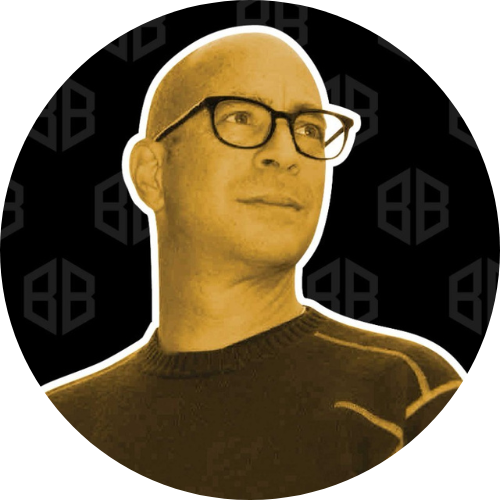
David Paleschuck, a former pro skater and Art and Design Gallery owner turned cannabis marketing expert, brings a uniquely creative and psychological perspective to how loyalty is created.
Related Cannabis Podcasts

Women in Cannabis: Marketing to Women, By Women with Nurit Raphael and Jamie Evans

Q4 Holiday Marketing Tactics That Make Cannabis Cash Registers Sing with Lisa Buffo
.webp)
Looking Beyond CTR: Unlock the Power of Attention Metrics
Webinar Highlights


Other Ways to Enjoy the Cannabis Podcast
.jpg)