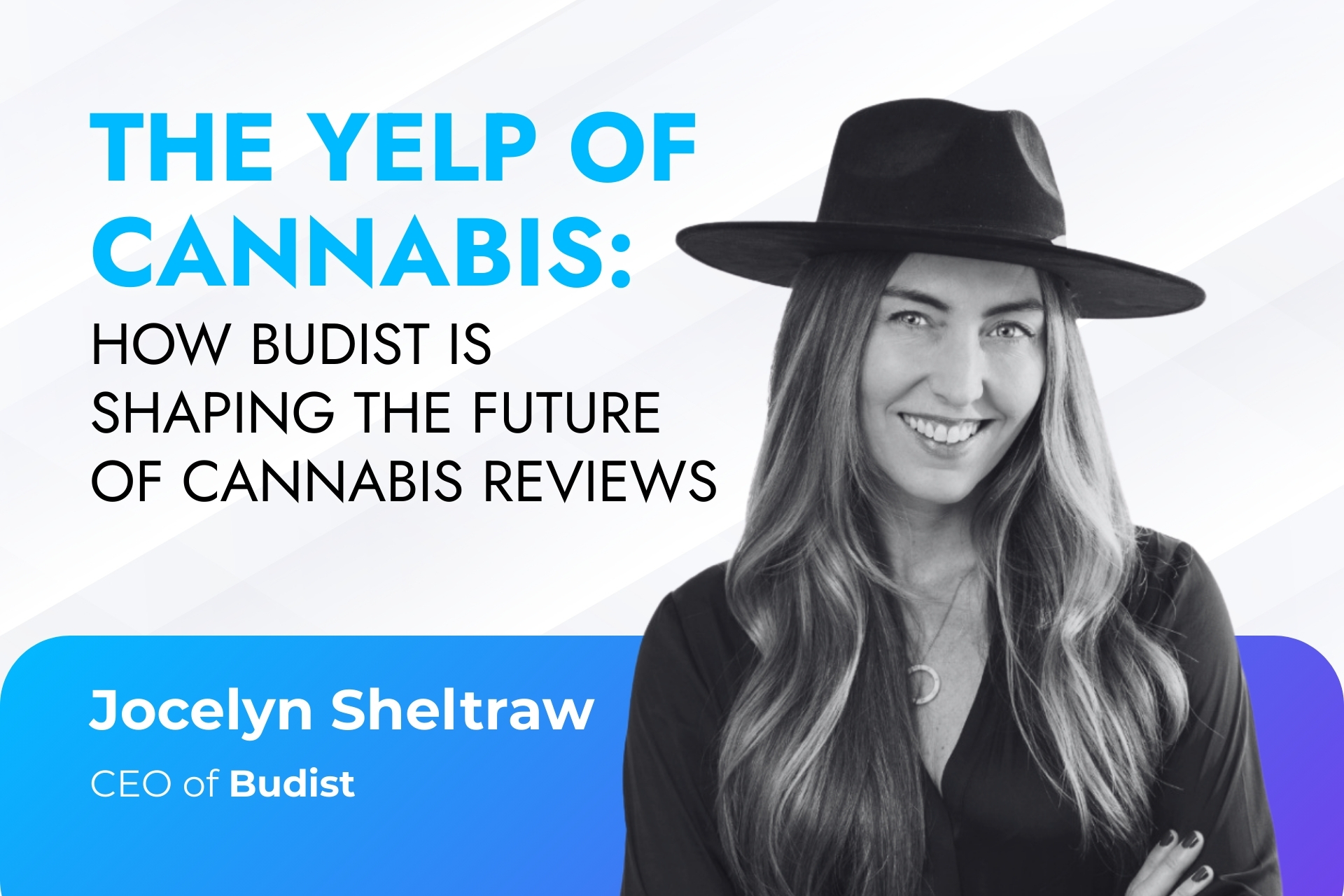
Online reviews are one of the most influential factors in where customers choose to shop — and cannabis still lacks the kind of dedicated, trustworthy review ecosystem that other retail categories take for granted. Budist is working to change that, and this webinar features Jocelyn, formerly of Headset and now leading Budist, to discuss what the future of cannabis reviews looks like.The conversation covers how Budist is shaping the cannabis review space, why a dedicated platform matters for both consumers and operators, and how dispensaries and brands can use review visibility to improve their reputation and reach. Cannabis retailers, brand marketers, and operators interested in reputation management and organic consumer trust-building will find this a timely and forward-looking conversation.

The lessons, mistakes, and growth strategies behind the industry’s most recognizable brands.

The Yelp of Cannabis: How Budist is Shaping the Future of Cannabis Reviews

Watch Our FREE OnDemand Webinars

Key Insights
- Cannabis is the only major consumer product category without a dedicated community review platform: while wine has Vivino and Delectable, food has Yelp, and spirits have a range of enthusiast apps, cannabis consumers have had no equivalent place to share product expertise, read peer reviews, and build a culture of product appreciation - which is the gap Budist was built to fill.
- The Yelp parallel is precise: before Yelp launched in 2004, food culture was driven by Michelin, Zagat, and individual publication critics - Yelp democratized it by letting any consumer contribute. Budist is applying the same model to cannabis, shifting product authority from dispensary staff and a handful of industry publications toward a community-generated review ecosystem that scales with the consumer base.
- Budist combines professional criticism with community voice by maintaining a team of 30 critics who produce formal product reviews alongside community members who share their own assessments - and separates these into distinct feeds so users can choose whether to follow expert opinion or peer experience depending on what kind of guidance they want.
- A personalized onboarding algorithm makes discovery relevant from the start: when users join Budist, they answer five questions about their consumption preferences and habits, and the app uses those answers to populate their feed with reviews and recommendations calibrated to their specific profile - creating an experience that feels tailored rather than generic from the first session.
- Cannabis brands now have a credibility surface beyond their own marketing: as community review platforms like Budist grow, product reputation will increasingly be shaped by verified consumer experience rather than brand-controlled messaging, which means operators investing in genuine product quality and consumer relationships will have a structural advantage in review-driven discovery.
Put these Insights into Action
Whether you're optimizing product mix, improving customer retention, or measuring market performance. Mediajel helps cannabis operators turn data into profitable growth.
Marketing Attribution
See exactly which campaigns generate dispensary revenue - not just clicks.
Programmatic Advertising
Reach the right customers with data-driven targeting that maximizes ROI.
Cannabis SEO
Capture more high-intent shoppers and increase organic visibility.
Webinar Highlights
00:00 – Why the Cannabis Industry Still Lacks a Real Review Culture
Jake Litkey opens the conversation by introducing Jocelyn Sheldraw, founder of Budist and a longtime colleague from the adtech industry who also spent time at Headset before launching Budist. The episode starts with a foundational observation: despite cannabis being a major consumer product category, the industry has never had a platform dedicated to building genuine consumer review culture. Leafly, WeedMaps, and cannabis publications exist, but none of them create the kind of community-driven product appreciation environment that other industries take for granted.
06:00 – What Budist Is and How It Was Built
Jocelyn explains the founding premise: cannabis consumers needed a dedicated home where they could learn from other consumers, share product expertise, and participate in a culture that celebrates product appreciation the same way wine and food communities do. Budist launched its app in December 2023, spent time in beta refining the experience, and built out a team of 30 professional critics who began populating the platform with expert reviews from launch. The platform is social - users create profiles, follow reviewers, and contribute their own reviews - creating a community rather than just a database.
12:00 – The California Cannabis Awards and State-Level Legitimization
One of the early milestones Jocelyn highlights is Budist's partnership with the California State Fair and the Embark team to launch the first state-sanctioned California Cannabis Awards in March 2024. This is significant because state-sanctioned recognition for cannabis products - similar to how wine competitions or food awards function - represents a formal legitimization of cannabis product quality as a cultural and commercial category worth honoring. For brands, award recognition through a credible institutional process carries different weight than self-reported claims.
18:00 – The Yelp Analogy: How Consumer Reviews Democratize Product Discovery
The most direct framework Jocelyn uses to explain Budist's purpose is the Yelp analogy. Before Yelp launched in San Francisco in 2004, food discovery was controlled by Michelin, Zagat, and individual critics writing for the New York Times or LA Times. Yelp changed that by giving every consumer a voice, democratizing the foodie culture and making ordinary consumer experience as culturally legitimate as expert opinion. Budist is pursuing the same shift for cannabis: moving the definition of what makes a product worth trying from brand claims and dispensary staff recommendations toward the authentic voice of the consumer community.
24:00 – Critics vs. Community: How the Dual Feed Works
Jocelyn explains how Budist handles the tension between professional criticism and community review. The platform maintains separate critic and community feeds, but the experience of contributing is identical - whether you are a professional critic or a community member, you use the same interface and structure to post a review. Users see both types of content in their feed and can engage with whichever voice they find most useful. This approach gives the platform credibility through professional criticism while keeping it accessible and community-driven at the consumer level.
30:00 – Personalized Discovery Through Onboarding Algorithms
The final discussion covers how Budist makes product discovery feel personally relevant rather than overwhelming. When a new user joins, the app asks five questions about what kind of cannabis consumer they are - preferences, experience level, use cases, and similar signals. The algorithm uses those answers to populate the feed with reviews and recommendations that match the user's profile, so the first experience on the platform feels curated rather than generic. This personalization layer is what separates Budist from a static review directory and makes it function more like a discovery engine.
Frequently Asked Questions
[ {What is Budist and how is it different from Leafly or WeedMaps?}
Budist is a cannabis product review platform designed to build the kind of community-driven review culture that Yelp created for restaurants and Vivino created for wine. Unlike Leafly or WeedMaps - which function primarily as dispensary directories with some product information - Budist is built around consumer and critic reviews of cannabis products, with a social layer where users create profiles, follow reviewers, and contribute their own assessments. The platform combines a team of 30 professional critics with community reviews, feeding personalized recommendations to each user based on their consumption preferences.
{Why does cannabis need a dedicated review platform?}
Cannabis is one of the few major consumer product categories without a community-driven review ecosystem. Other categories with similar complexity and connoisseurship - wine, spirits, food - have developed rich review cultures through platforms like Yelp, Vivino, and Delectable that let consumers share expertise, discover products, and build cultural appreciation over time. Cannabis consumers have had to rely on dispensary staff, brand marketing, and a handful of publications for product guidance, which creates an information gap that a community review platform can fill more effectively than any single authoritative source.
{What are the California Cannabis Awards and why do they matter?}
The California Cannabis Awards were the first state-sanctioned cannabis product awards in California, launched in March 2024 through a partnership between Budist, the California State Fair, and the Embark team. The awards matter because state-sanctioned recognition for cannabis product quality represents a formal institutional legitimization of the category - similar to what wine competitions or food awards programs provide in their industries. For cannabis brands, earning recognition through a credible awards process carries different authority than self-reported product claims or paid placements.
{How does Budist personalize the product discovery experience?}
When a new user joins Budist, the app asks five questions about what kind of cannabis consumer they are - covering preferences, experience level, use cases, and similar profile signals. The platform's algorithm uses those answers to populate the user's feed with reviews and recommendations calibrated to their specific profile. Users also see separate feeds for professional critic reviews and community reviews, and can choose to follow individual reviewers whose tastes align with their own. The result is a discovery experience that feels personally relevant from the first session rather than requiring the user to search through a generic product database.
{How can cannabis brands benefit from platforms like Budist?}
Cannabis brands benefit from platforms like Budist because product reputation will increasingly be shaped by community reviews rather than brand-controlled messaging as these platforms grow. Brands that invest in genuine product quality and authentic consumer experience will accumulate positive reviews organically, giving them a credibility signal in product discovery that advertising cannot replicate. As cannabis consumers become more sophisticated and review-driven in their purchasing decisions - following the pattern of wine, food, and spirits consumers - the brands with strong community reputations will have a structural advantage over those relying on packaging and placement alone. ]
Cannabis Podcast Full Transcript
{}
Introduction
Jake Litke: All right, welcome to another episode of Cannabis Marketing Live. I am your host, Jake Litke, the CEO of MediaJel, and today I am super happy to chat with Jocelyn, who I've known for quite a while — we worked together in the past, before cannabis was really a thing, in the ad tech days. And, of course, I think many people know who Jocelyn is, also was at Headset for quite a while, and now is running Budist, which is what we're going to talk about today. Welcome, Jocelyn.
Jocelyn: Thank you, I'm so excited, because we've known each other for, what, probably 15 years at this point, and there are few of us in the industry who've seen the birth of another industry, how an industry is born and comes to market, and we've had the luxury of seeing this now, being part of two industries since their birth.
Jake Litke: I like the optimism of calling it a luxury to go through all of the learnings, some of which were more painful than others. All right, let's talk about Budist, it's an app, and I remember talking to you about Budist when you were kind of conceiving the idea, I think you were in Tahoe maybe at the time. So now you're live, the app's out, when did it officially launch?
What Is Budist?
Jocelyn: For those who aren't familiar, the simplest way to explain Budist — a lot of people are dubbing it "the Wine Spectator of cannabis." We launched the app, funny enough, and you'll appreciate this more than anyone — it officially launched, which was the first thing we launched as a company, in December of 2023, and it went live on Apple and Google on my birthday, oddly enough — both of them pushed it live on my birthday. I've heard from several other friends that both Apple and Google will do that if they notice your birthday is close, they try to create those little serendipitous moments — which, as you know, as founders, you're always looking for those moments of serendipity that tell you you're on the right track. So having it launch on my birthday was really exciting. But yeah, December 2023, and we launched with the app, which is a rating and review app — if you haven't checked it out, it's really beautifully designed. We launched with a team of 30 critics here in California, some incredible experts who've been out sharing their expertise on different product categories, consuming for different reasons. Essentially, what we're trying to do — this is really the first rating and review app for the industry — and if you think about how consumers find out about products, it's really hard at this point, right, we've got Leafly, we've got Weedmaps, we've got publications, whether it's Fat Nugs or Cannabis Now, but having a true, dedicated home, a place where people can go learn from other people, share their own expertise on products, really be part of a culture celebrating product appreciation — that was the idea behind Budist.
Launching with the California State Fair Cannabis Awards
Jocelyn: So we launched in December of 2023 with the app, and then we did what you have to do as a startup founder — you take a couple months beta testing the app, working through the kinks, and we had reviews already being populated by our team of 30 critics. And then, in March of 2024, we had an incredible opportunity, partnering with the State Fair and the Embark team to launch the very first California Cannabis Awards, the first state-sanctioned cannabis competition. The team at Embark had been watching what we were building with Budist, and they said, "we see you've got this team of critics, this standardized methodology for assessing each product category, let's put that to good use and have you serve as the team of judges for the California State Fair Cannabis Awards." So that was really our coming-out, March of 2024. And since then, we've evolved from just being a rating and review platform to really being a home and a community — we've got events, modeled after wine tastings, guiding people through a whole tasting of different products, led by our team of Budists, and then competitions. We're really inspired, as a whole, by how other industries with connoisseur, nuanced products build a culture where people appreciate those products and understand quality — if you look at wine, or beer, or coffee, it's a combination of what we're trying to do at Budist: a rating and review platform, competitions that professionalize the industry, events where people learn about products, and long-form content, like producer profiles, getting into appellation, terroir, things like that. So it's a lot — that's why "the Wine Spectator of cannabis" seems to be what really resonates with our industry.
The 100-Point Rating System
Jake Litke: And to that, you have a rating system similar to Wine Spectator, right, it's a 100-point system?
Jocelyn: Yes. The 100-point system is a globally recognized system that wine, coffee, beer, chocolate, all of them use — the same exact 100-point system, which was started in the early '80s by Robert Parker, who founded The Wine Advocate. It was a really easy way for consumers and critics to objectively assess quality, and for the consumer to understand that quality.
Jake Litke: Now, I think anyone who's bought wine before, at the grocery store or a wine shop, you'll see some bottles at 94 points, Wine Spectator or whatever — how does the curve tend to go, are there actually any products rated like 30 points, or does it never seem like it's really out of 100, more like somewhere between 80 and 100?
Jocelyn: Yes, very good question, we get asked this a lot. So the 100-point system starts at 70 and goes 70 to 100, and the way we explain that is, it's like grade school — a C and above is passing, other than that it's not even considered passing. So for us on the app, same 100-point system, 70 to 100, you won't see anything less than that. And we'll publish any review, regardless of score, it'll be found in the app, but the ones we really highlight — you want to draw attention to quality producers, but still give people the awareness and understanding of products that fall below that, they need access to information on the quality of those products too.
The Editorial Standard: Aroma, Appearance, Flavor, Effect
Jake Litke: And you've got your review panel, you said there's 30 of them?
Jocelyn: In California, we've got a group of 30 people we refer to as Budists, or critics — that means they've been trained on our editorial guidelines, we have a very standardized way of assessing each category, and how we write about that and translate it to the consumer. So if you read any of the reviews, on the app or the website, you'll see four, five, six-paragraph reviews, oftentimes, going into all of the key attributes we assess. Regardless of the product category — flower, concentrates, vapes, pre-rolls, etc. — we're always looking at four key attributes: aroma, appearance, flavor, and, of course, effect. One of the companies we're really inspired by — you're a big traveler, so I'm assuming you use TripAdvisor, or Google reviews — we often use TripAdvisor as a great example of a company we're inspired by, because when you go to TripAdvisor, you know you'll get a review on, "is that hotel kid-friendly, is it a party hotel" — people aren't going in and writing long stories about their personal trip, they're saying, "this was a great hotel for me if I have kids, it had an open buffet," specifics, in a pay-it-forward mentality, trying to help other people. TripAdvisor's CEO has talked about that being the ethos that provided value to consumers. We're really inspired by that — it's part of the ethos at Budist, a pay-it-forward mentality, trying to help people figure out if products could be valuable in their lives, versus it being about us, as enthusiasts, waxing on about our own expertise. This is about being sherpas, guiding new consumers into cannabis, helping them appreciate the plant like we do.
Jake Litke: Now, you've got your expert advisers, or critics, or whatever — I never really thought about it, but TripAdvisor isn't called "Trip Critic," it's called TripAdvisor, right, so that actually does make sense. Do you also have user-generated content, is it like Rotten Tomatoes?
Critic Reviews vs. Community Reviews
Jocelyn: The app is kind of like Rotten Tomatoes, that's another company we were really inspired by — coming from the birth of mobile, I've used all these different apps, watched the evolution of so many, worked with them, and I don't watch a movie without going and reading the reviews. For me, personally, I tend to agree more with the critic scores, but if it's a rom-com or comedy, I'll probably fall more in line with the consumer scores, because I don't have a high expectation it'll be an Academy Award-winning film. So we're following the same process — any consumer can come into the app, create a profile, and start reviewing products, sharing their expertise, giving recommendations. It has both a critic score and a community score, aggregated on each product page, again using the 100-point system.
Jake Litke: And how has moderation been? Anytime you let the general public start writing things, there's some amount of moderation that probably needs to happen — just out of curiosity, what's that experience been like?
Jocelyn: Surprisingly, we haven't had any challenges or issues at scale whatsoever. A handful of things here and there — because we're so limited in the platforms we have in cannabis, we've had a few people try to sell illicit drugs on the platform, and we've had to remove those. But overall, it's been surprisingly clean, I think because of the ethos we set, and the design and user experience — it's not really facilitating those kinds of interactions, and people are following suit. I think we get a lot of support because this is something really new and needed for our industry.
Why Cannabis Needs Its Own Yelp
Jocelyn: I've been a 15-year cannabis enthusiast, I've used all the platforms to find information myself, and I'm a huge fan of Leafly — that's actually one of the ways I came into the industry, because the founders of Headset founded Leafly together, so I've followed that whole journey. I think one of the differences in our industry right now is that Leafly is a strain database at its core — I'm not saying this to compare, I'm making the point that, as consumers and enthusiasts, it's really important we have a dedicated home talking about products, not just the strain, not just where I can find these products, but what is my experience with these products, and who's the person giving me this review, because then I know how much weight to put into it. We just haven't had this as an industry yet. If you look at other industries, like wine, they've got a bevy of publications, Wine Spectator, Wine Advocate, but then they have apps like Vivino, like Delectable, where consumers and enthusiasts can go in and share. Think about our world before Yelp — Yelp had a major impact on the culture of the "foodie," because before Yelp, which launched in 2004 here in San Francisco, the way consumers learned about restaurants was through Michelin, through Zagat, through the individual critic writing for the New York Times or LA Times. What Yelp did was democratize the culture of the foodie, because now you have consumers coming in, reviewing restaurants, providing their own expertise, and it creates a whole culture of food appreciation, because more people are part of that process. That's what we're trying to do — jumpstart that culture of cannabis product appreciation.
Jake Litke: That makes sense, I use Yelp quite a bit when traveling, to find restaurants specifically — I like that you can filter by what's open, too, that's helpful.
Jocelyn: Exactly.
Jake Litke: Another good resource for travel I've found is Reddit, specifically — for any given city there's usually a couple of subreddits dedicated to that city, people asking questions — I used it a lot when I was in Japan recently, good resource.
App vs. Website vs. Events
Jake Litke: So you've got — and I called it an app, but it's really not just an app, an app is one surface of what you're doing — what's the breakdown of people using the app versus the website?
Jocelyn: Across all of our core properties at Budist — the app, and the website, which is B2B — that's, in the startup process, who we're first targeting, our community, getting buy-in from our community and industry, and then once you have enough of an audience, you can switch to being consumer-facing, whatever the platform is. Right now the website has been growing significantly, in part through the MJ Bowl, and publishing a lot of reviews there, but it's the app that's really driving consumers — we're going to switch the website to more consumer-facing content in the new year. Outside of that, the other platforms we have — events, taking the online experience and translating that to offline, where people can put the practice into effect. We host what we call "sessions," small, medium, and large events. Small tasting events, like 20-person events, where we walk through a guided tasting across a handful of producers in a category, let's say flower — we do these at consumption lounges, in LA and up here in the Bay Area — and we're guiding people through the tasting, helping them explore and understand the nuances of the product, just like we translate in the review online. What it does is create an environment where people come together and calibrate, which is a really important part of learning about cannabis products — you have to discuss it with other people to truly get into the connoisseurship side, not as much if you're consuming for medical reasons, which is still important, but for connoisseurship, which is where we've really focused our inroad, you need to create environments where people can come together and learn and connect. That's why the events have been so important, and then, of course, the competitions.
Competitions and Quality Signals
Jake Litke: On the competitions — are you, like Wine Spectator, giving out little medals, silver circle, gold circle, like beer and wine have?
Jocelyn: Every competition's a little different — for the California State Fair, you get your trophy, and the reason a trophy, or whatever the award, is so critical, is because when you use that to market as a brand, it's what's referred to as a "quality signal" in the market. We've all been to a wine retailer or grocery store and seen, on the shelf, "award-winning olive oil," a triple-gold-award-winning olive oil, with the medal on it, or, in wine, "99-point wine rated by this publication." Those are quality signals, which, for consumers, give quick information to make a quick decision — you see the gold medal, you know, okay, that signifies quality. There have been studies, especially in wine, showing that if you have a quality signal on a bottle versus one with no quality signal, that bottle will sell 10 times the amount, because consumers are looking for signals that say "this is a trusted, quality product, worth the value you're going to pay." We just don't have those in cannabis — that's what we're trying to start with the competitions, because that's the quality signal — when you see the Golden Bear award-winner from the California State Fair, that carries a lot of weight, like in the wine industry, because the California State Fair has a competition for wine, beer, olive oil, cheese, recognized nationally. If any winery wins a Golden Bear, that thing is proudly displayed front and center, same for an olive oil or cheese producer. So it's really important to have those competitions to set that foundation for our industry, to educate consumers on quality.
Jake Litke: Yeah, I've many times been looking at a wall of wine and grabbed the one with the label that says "94 points," because it's a shortcut. And I don't know if there's any other retail category with so many product choices in such a small physical area — you can have a shop that's 400 square feet with a thousand SKUs in it, and you're looking at packaging that's wildly unique between different brands. It's very difficult for anyone not living in this world to walk into a dispensary, so a lot of people rely on the bud tender, but that's a highly subjective opinion from an individual, and you don't necessarily know what's going into that recommendation, because there could be other marketing things going on.
The Role of Bud Tenders and Education
Jocelyn: Yeah, and often the training in our industry, because this is so new, is very limited, especially on the retail side with bud tenders — there are several different training programs, the Ganjier program, the Trichome Institute, a bunch of different programs that help bud tenders become more knowledgeable, not just in how to sell, but the art, service, and science of helping consumers. But those programs can be very costly, and so, for the retailer, we're not seeing, like in the wine industry, a sommelier working in a wine retail store — you see them in a restaurant. That's just now starting to happen in our industry, and thankfully we have programs like the Ganjier program, now going into its fifth cohort, which I went through, and it was an incredible amount of learning — even as a 15-year enthusiast, working in the industry for almost eight years, it really wasn't until going through the program that I started to have the level of knowledge where I felt comfortable giving a recommendation to someone else. It's one of those things where we're so new, so early, that this education is just now starting to be developed at scale. Looking back at the wine industry, that was a 40-year arc before consumers really began to appreciate wine — it took all of those different programs and platforms to help consumers. It all comes back to education, we need more of it, for consumers to appreciate all of these wonderful products being created.
Personalizing Recommendations
Jake Litke: And how do you handle — you mentioned aroma, appearance, flavor, effect — effect is probably the most challenging, because everyone has a different endocannabinoid system, people respond differently to the same products, there's drift in what people think of as a strain — how do you overcome that when educating people, when someone's tasted a product and writes about it, but their experience might differ from another person's?
Jocelyn: Yep, this is one of the primary problems we're trying to solve with the app. If you go into the app, we ask five onboarding questions at the start, to understand what kind of consumer you are, so we can match people based on that. For me, for example, I'm a daily flower consumer, I like low-to-mid and high-potency products, but it's situational — I go through those five questions, and then, in the algorithm, you'll see similar recommendations for a similar profile to you. When we assembled the team of Budists, of critics, we looked for a very diverse group — diverse in reasons for consuming, demographics, where they live in the state, pretty much every way. You're not going to see two very similar people in our group of critics. It's especially important when it comes to diversity of use case — we have a lot of medical consumers in our Budist crew, dealing with everything from endometriosis to cancer to serious stomach issues. Having them share that expertise, where you can see what kind of consumer they are — daily, weekly, occasional, what products they consume — we provide all of that in the app, so you, as a consumer, can decide, "I see this person seems similar enough to my habits, to what I'm looking for, I'll put more weight in that recommendation."
Jake Litke: So the net effect is, based on how I answered the questions, you're going to direct me towards the Budists most aligned with my profile?
Jocelyn: Exactly, that's how the algorithm works, for both critics and consumers.
Jake Litke: So, for critics, it's pretty straightforward, there's a relatively small, finite group — but for user reviews, if I look at a product, it's got a critic rating and a user review rating, but inside the users that gave that rating, how do you surface that, or is it kind of invisible?
Jocelyn: If you go into the feed, there's a critic feed and a community feed, and the experience, whether you're a community member or critic, is exactly the same — you create your profile, answer the five questions, and the algorithm serves you recommendations and reviews based on your answers, that's what populates your feed. The app is social, in a sense, you're connecting with other enthusiasts within the community, and can see what kind of consumer they are, but nothing changes — we're not sending a personalized recommendation, it's just that the content you're seeing is more tailored to you.
How Many Products Are Reviewed
Jake Litke: And how many products — I mean, there are so many, but how do you decide, and how many do you have? If I look in California today, how many products have you profiled?
Jocelyn: In California, according to Headset data, there's about 1,200, give or take, unique brands in the market, and, within those, thousands and thousands of products in aggregate. In New York, which we haven't yet launched — that's coming as part of our entry into New York with the MJ Bowl — New York has 500 brands, give or take, thousands of products in aggregate. For us, launching here in California, we wanted to make sure, when we first launched, we had a very diverse group of brands — this isn't just about connoisseur, top-quality products, it's about quality at every price point and product type. We assembled a hundred brands at launch — from the idea stage, I had conversations with, probably, one to two hundred different brands, saying, "this is what we're building, do you want to be part of this, here's how it works, you provide products, we provide them to our critics, we pay them to review it, we distribute that content through our channels." So when we were launching, we had a few hundred brands part of the launch, before even having a product out in the market — a great proof point that this was really necessary. At this point, thousands of reviews on the platform, in California, well over half the market, in terms of brands, is on the platform. Brands don't have to create a profile, we do that — one of the challenges in our industry is that having access to a clean database, to know when new products hit the market in real time, is really hard, an industry-wide problem. So at Budist, we're taking a curated approach — highlighting brands we know are active in market, with a vast product landscape, whether value brands or high-end connoisseur brands, spanning the gamut, but looking for brands at any price point focused on quality, and on the consumer side, they can review whatever they want.
Jake Litke: What are some interesting trends you're seeing, under the hood, from a data perspective, combining user-generated content and expert reviews?
Jocelyn: More broadly, the products with the longest-form reviews, that go into the most detail, tend to be connoisseur products with a story to tell, or ones people are just very passionate about, because they think that product will be helpful to someone's life, or that producer needs recognition.
Jake Litke: Maybe a better question — for the consumers reading the reviews, what's the engagement like, how long are people spending, more or less time than you thought, has that been changing?
Jocelyn: It's all across the board, because the whole ethos is about people, whatever their use case — medical or connoisseur exploration — those are two very different use cases, so we see differences in how consumers engage. If you're a medical consumer looking for something specifically to help with sleep or anxiety, you'll spend more time reading the long-form reviews, looking for very specific information. If you're just exploring, you might go down a rabbit hole of reviews from one critic you're curious about. It's really based on the behavior of what that person's looking for, no one-size-fits-all.
Jake Litke: Do you have examples, even anecdotal, of a brand getting exposure from a positive review or high rating, having a real impact on their brand?
Jocelyn: Yes, all the time. Nothing makes me happier than getting a text from a brand saying, "hey, I used your shelf talker at this trade show, or event, and it helped me sell through the product, because I had a story to tell around it." It's called a shelf talker because it's meant to drive conversation — go into any retail store, you'll see a call-out on the shelf highlighting a product, with a point score or award. When a brand is reviewed on Budist and gets a good score, they can come to us, and we can print shelf talkers for them, to display at their booth, an event, or on their website — meant to drive conversation, "this product won a Golden Bear at the California State Fair, the first national cannabis competition, reviewed by the team at Budist, reviewed by [a critic], known as [an expert], he's reviewed hundreds of flower cultivars, gave this a 96, and said, tastes like A, B, and C." It really helps tell the brand's story, and we hear this regularly. We just don't have a lot of other quality signals in the market helping brands differentiate — if you're a flower producer, how do you differentiate on a retail shelf when there are dozens of producers, maybe similar cultivation practice, similar region or terroir? It's a very hard thing to do, and this gives brands an easier way to tell their story and stand out.
Jake Litke: Have you discovered any products yourself, personally, that you might not have encountered otherwise, because you saw a review and thought, "oh, that sounds interesting, I want to try that"?
Jocelyn: All the time, absolutely — you see the score, and think, "whoa, 98 points, okay, I'm somewhat familiar with that producer, let me see what they have to say." I'm discovering new products all the time, and, as someone who's gone through the Ganjier program, it's interesting to calibrate, to see, "I've tried that product, what is this person saying about it, is my experience similar to theirs" — that tells me a lot about my own level of understanding of the plant and my palate. It gives me a way to understand the quality of a product from other people's perspectives, which I think is such an important part of cannabis — it's community calibration, learning and evolving together, because this is so new for us. We're only a year and a half old, in terms of being live in the market, so this is just getting going — what it looks like today will look very different a year from now, as more people contribute, and we're able to do more with all of that information, serving better recommendations and reviews. At the start, this has been very much about long-form product reviews, which, in this attention economy, maybe fewer people want to read, but it's part of the process of building a culture of connoisseurship, and as it grows we'll be able to serve people in different ways.
Brand Sponsorship and the Business Model
Jake Litke: How do you support the platform — it costs money to run a business — sponsors, advertising, how does that work?
Jocelyn: Essentially, we're marketers, helping the brand tell their story — the way it works is, we review any brand or product in the licensed market, free for brands, we'll review up to a certain amount of products for free. But if the brand or product gets a good score, they can boost that, we can draw more attention through boosted reviews, highlighting it in our events, which brands can sponsor to be part of. Ultimately the brand is our core customer, and what we're providing is ways to get in front of our audience — enthusiasts, industry professionals, new consumers looking for product information — through boosted content, featured brand profiles (you can see on our website, a very standardized way of telling the brand's story, the people, the products, and the place), events, and competitions, where we also have sponsors in terms of devices — a big part of what we're trying to do at Budist is standardize and professionalize the assessment process, and the tools and accessories we use as judges are critical to bringing out the fullest expression of the plant. We have opportunities for those devices and accessories to sponsor our events, and, in turn, we help tell their story too — if you look at our Instagram, you'll see a series of videos published every day, now that we're entering the judging process for the MJ Bowl, about why we're using those devices, what makes them unique, published on Instagram, YouTube, and LinkedIn.
Jake Litke: That makes sense — very similar to Yelp, actually, my wife has a photography studio, gets a lot of business from Yelp, there's the premium listing you pay a bit for that lets you customize your carousel, and you can have your reviews be boosted, right?
Jocelyn: Yep, exactly, and it does work, we hear a lot of great feedback on it.
The MJ Bowl
Jake Litke: So you mentioned the MJ Bowl and events — let's talk about that, it's coming up soon.
Jocelyn: Yeah, we're really excited about the MJ Bowl. For those not familiar, this is in partnership with MJBiz, their first cannabis competition. MJBiz has been around 14 years, the longest-running trade show in our industry, and a top-10 largest trade show in the US, 20,000 people every year in Vegas. MJBiz hasn't had a competition, and the community's been asking, year over year, "when are you going to have one, you've got this incredible national platform, people coming from all around the world, MJBizDaily reporting on the industry for 14 years." I've been friends with Emily Lewis, their SVP, and their team over the years, and they saw what we did with the State Fair — we've also led competitions like Cannafest, the Head Stash Bowl, and the Farmer's Cup, a regional consumer-facing competition in San Diego. They said, "the community's been asking, let's partner, let's create a competition that could one day be national, recognize every state, and highlight winning producers at MJBizCon" — driving awareness to producers, highlighting quality, pushing that narrative in the industry, and more broadly in mainstream media. There's so much misinformation and biased perspective on our industry, and our thesis is that if you celebrate quality, and bring together groups known as trusted people and companies, we can do a lot through amplification, driving awareness, putting out positive sentiment. So, in building this, it's bi-coastal — the best of California, the best of New York, celebrated on stage at MJBizCon. The first-place winning brands will be featured at retail partners — in New York, that's Gotham, a four-story dispensary chain, and in California, Artistry, soon to be a 12-store chain. Winning brands will be featured in displays highlighting the MJ Bowl winners, we'll review those products on Budist, print the shelf talkers, you'll see a dedicated section in the store.
Jake Litke: This feels like California and France with wines — I'm obviously biased, being from California, but it'll be interesting to see if New York can — because it's bicoastal, but not head-to-head, right?
Jocelyn: No, it's celebrating the best of each state, no competition between states — each state has critics, or judges, based in that state who know that market, and they're brought together at MJBiz and recognized. It's not about competition in that way, it's truly about recognizing excellence, which just isn't happening at scale in our industry, and we need to bind together as a community — if we're not going to have federal policy changes, we view this as a way to push a national narrative despite that, using the same standardized methodology in each state, the same scoring rubric, the same tools — creating uniformity even though they're two separate competitions in two separate states, recognized together at MJBizCon in December.
Jake Litke: Right, of course, you can't actually do it not in the state it's in, legally, right?
Jocelyn: Exactly, exactly. It's a lot of work, doing a competition like this — even as we're having this conversation, it sounds like we're doing so many things, which we are, but they're all interconnected. At the end of the day, this is about telling the brand's story, highlighting quality, because that's what helps the retail shelf premiumize — that's what we saw in the wine industry, when consumers see a quality product, 99 points from a reputable publication, they're willing to pay three times the price of a bottle without that quality signal. That happened in wine through all of these activities — competitions, rating and review platforms — it took all of that before shelves started to diversify and consumers were willing to pay more. We just haven't yet reached that point in our industry.
The Long Road to Connoisseurship
Jake Litke: How do you see the breakdown for what you're calling an "enthusiast" — with wine, I forget the exact numbers, but something like 80% of wine sold is under $12 — a small subset encompasses the higher-end product. How does that break out, to your knowledge, in cannabis?
Jocelyn: When we were launching, we researched every analogous industry, looked at what percentage of consumers is that enthusiast, connoisseur type, wanting to explore the depths of the product — wine, coffee, beer, chocolate, etc. — generally you see about 10 to maybe 30% of consumers are that enthusiast type, and the vast majority of the market is purchasing value products, which is great, that's how it goes in every industry, no different in cannabis. The data looks relatively similar across these industries, give or take in that 10 to 30% bucket. What we're seeing is a little different, because the ethos of our platform launched being more of an enthusiast, connoisseur platform, because we had to — this is very new for the industry, you can't go from zero to 100. If you look at Yelp, they were only in San Francisco proper for the first year of business, before rolling out across the country, before consumers wanted to partake in going to restaurants and reviewing them — that was years down the road. What did Yelp do? They launched the Yelp Elite program, which attracted regular people going out and reviewing restaurants, incentivized by access to events, restaurant openings — and over several years, that culture of appreciation developed. This is a long arc — that's why I reference wine, which took 40 years for consumers to really appreciate. Craft coffee, third-wave coffee, was like a 10 to 12-year arc, craft beer the same, before consumers started to appreciate connoisseurship. For cannabis, this is going to be a long journey, but our thesis is, give consumers this information, and that arc will expedite.
What's Next for Budist
Jake Litke: What is next — you've obviously got a lot going on this year, and I know software is never done, and in your case it's not just software, you're building a community, a rating system, constructing a framework that just didn't exist. To the extent you want to share, what's coming up next?
Jocelyn: New York is next for us — we've expanded our judging team, took a lot of time to assemble a diverse group of experts, so the next thing is launching Budist in the New York market, consistently rating and reviewing products, hosting events like we do in California. That's coming in the new year, and our goal is to continue adding states every year, building that team of experts with subject-matter expertise in each market, and, eventually, being able to purchase through the app — there's a very big vision here, and it's brick by brick. For all of us entrepreneurs in this industry, it tends to move a little slower than we'd like, but that goes with the territory — we're in a new space evolving quickly in a lot of ways, but maybe not pushing forward from a policy perspective as quickly as we'd like. For us, that's the next step — launch new markets, get more consumers involved in the community, and, hopefully, be national within the next five-year period, and then allow consumers to purchase through the app as the long-term goal.
User Acquisition
Jake Litke: That all makes sense. A couple more, we're running up on time — how are you getting users, what's the discovery mechanism, what channels for user acquisition?
Jocelyn: A lot of it is through being very active on social — very grassroots. I came from the days where companies and apps were spending 50, a hundred million dollars a month acquiring users — well, we're a startup, we're certainly not in that space, nor do I think, at this point, you should be, you've got to be cognizant of where the budget's going. For us, this has been entirely organic — brands are sharing about this on social, our Budists are sharing on social, I'm very active on social, and all of the events, partnering with MJBiz, the State Fair, provide an incredible amount of exposure. So all of our customer acquisition has really been solely organic, which has been incredible to see, a testament that people want to be part of this, without us spending thousands, tens of thousands of dollars to get them into our ecosystem.
Jake Litke: That's fantastic that you can do it that way, especially the event-driven, in-person piece. Now, are you a practicing Budist yourself, do you write reviews?
Jocelyn: Yes, I write reviews as a community member, I'm not a Budist — by default, I think it's really important to be as unbiased as possible, and if you look at who this group of individuals are, undoubtedly some of the most trusted people in our industry, out there for many years sharing their expertise. Not that I'm not one of those people, I'm very passionate about the plant, but it's important to maintain an unbiased ecosystem, so I share my expertise as a general consumer and community member. But I love getting involved, hosting some of the events and sessions when we do in-person tastings, putting my Ganjier practice to good use.
A Recent Favorite Review
Jake Litke: All right, now I'm going to ask you for some recent products — what are a couple you've reviewed recently that you liked a lot, that you'd rate high?
Jocelyn: One of the last products I reviewed was No-Till Kings — an indoor living soil producer based out of Long Beach, California, SoCal, founded by two friends from the Prop 215 days, growing together for over a decade. I'm normally a sun-grown flower lover — for me, my top of the top — but, without bias, which I hope people see with my own reviews, I do like what I like, and I'm a big Emerald Triangle sun-grown flower lover. But with No-Till Kings, there's quality regardless of the production method — indoor living soil, if you haven't seen an indoor living soil cultivation, it's really cool, you see cacti and plants, worms, a whole ecosystem contributing to that environment, and you taste it in the product. Jackapulco was one of the last strains I reviewed from them, and it was lights out, firing on all cylinders — the aromas were very complex, flavors, I was picking up three different notes, the visuals, so trichome-dense, perfectly trimmed buds, and the experience, a clean high — I like a sativa-leaning high, uplifting, gives me energy, creativity — it was firing on all of those cylinders. That's what I look for in product quality, something well-rounded, balanced, with complexity and intensity, a product you'll remember, that stands out, plus knowing the story behind it. I love No-Till Kings, I think they're doing great work — that's the fun part, exploring the depths of it. It really wasn't until going through the Ganjier program that I started to pay more attention, have the knowledge of what I'm looking for — there's like 50 different data points you assess when it comes to flower, and having that knowledge, putting it to use, is really fun, you get to go down a whole rabbit hole.
Closing Remarks
Jake Litke: There are certainly some perks to the job. Well, great, I'll have to check that out, No-Till Kings, that's the name of the brand. All right, great, well, we're just about up on time now — I appreciate you taking the time today to talk about this, very exciting to see it come to fruition and doing well, congratulations on all of it. If someone wants to get a hold of you to talk about Budist, maybe a brand, what's the best way?
Jocelyn: Hit me up on any of the channels, I'm very active on LinkedIn, you can shoot me a message there, you can email me at jocelyn@budist.com, and, on social, I'm happy I got my personal Instagram back after being locked out of it for two months, so you can hit me up at Jossie Bossy, or reach out on our website, there's all the channels and ways to get in touch. I try to be very responsive, it's a busy time so my response rate's a little slower than normal, but I generally get back to everybody, and the way we're making this work is through partnering with mission-aligned companies. So if you like what we're doing — and thank you, Jake, for giving us a platform to talk about Budist, we're so passionate about it, our whole crew, everyone helping build this is so passionate — if you're one of those people who wants to get involved in any capacity, hit a sister up, you know where to find me.
Jake Litke: Great, well, thanks, Jocelyn, have a great day, and I will see you in Vegas.
Jocelyn: All right, looking forward to it.
Jake Litke: All right, cheers.
Featured Speakers
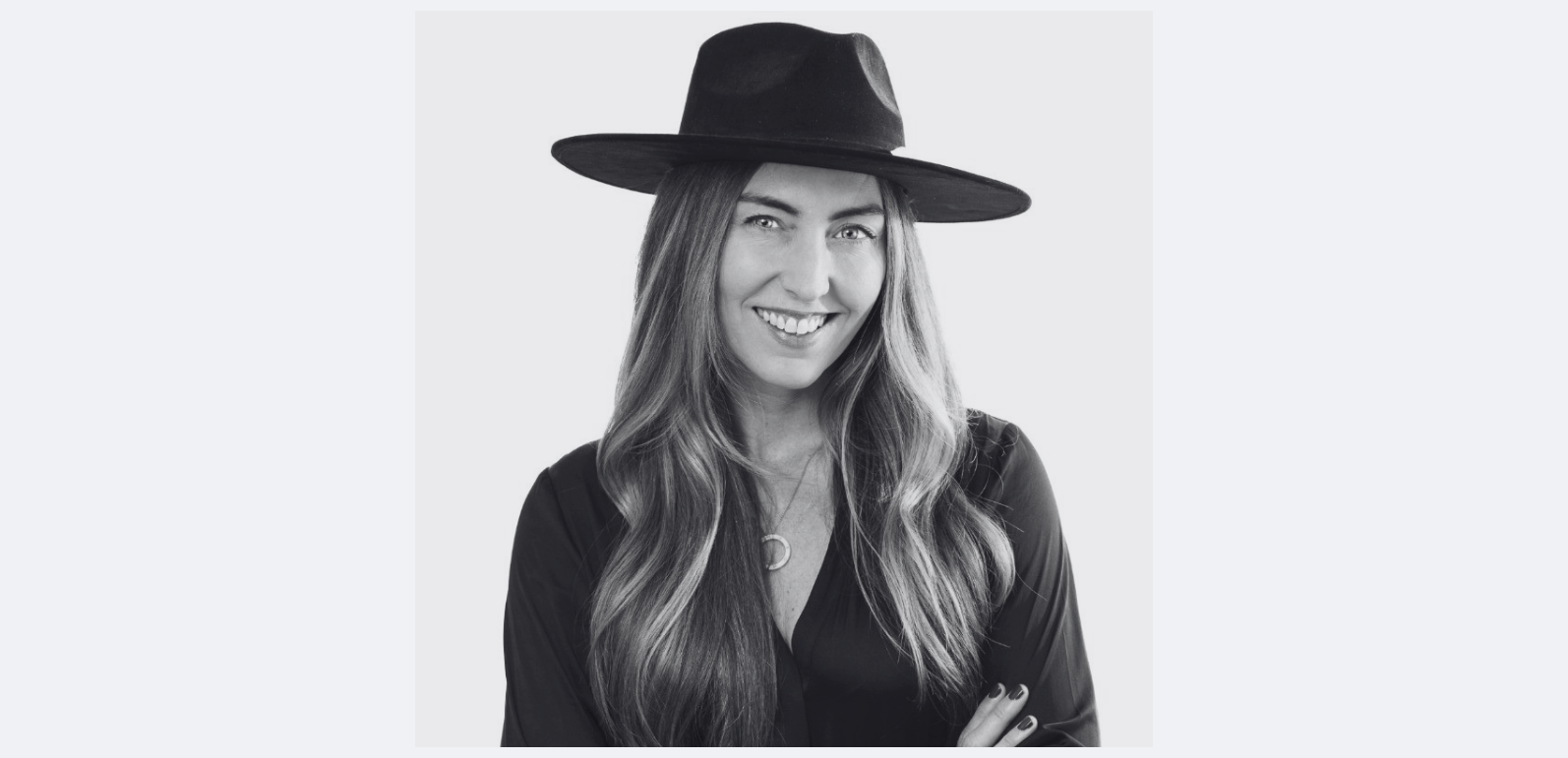
Online reviews are one of the most influential factors in where customers choose to shop — and cannabis still lacks the kind of dedicated, trustworthy review ecosystem that other retail categories take for granted. Budist is working to change that, and this webinar features Jocelyn, formerly of Headset and now leading Budist, to discuss what the future of cannabis reviews looks like. The conversation covers how Budist is shaping the cannabis review space, why a dedicated platform matters for both consumers and operators, and how dispensaries and brands can use review visibility to improve their reputation and reach.
Related Cannabis Podcasts
Spark Your Imagination with These Creative Cannabis Virtual Events

Nail Down the Perfect Dispensary Location: Check for These 10 Things

It's Time To Take A Stand: Social Impact In The Cannabis Industry with Anthony Alegrete and Mitch Pfeifer
Webinar Highlights


Other Ways to Enjoy the Cannabis Podcast
.jpg)