

What Is Retail Analytics?A Guide for Regulated Retail Operators

Level: Intermediate
Length: 42min
Cannabis Retail Analytics Course Overview
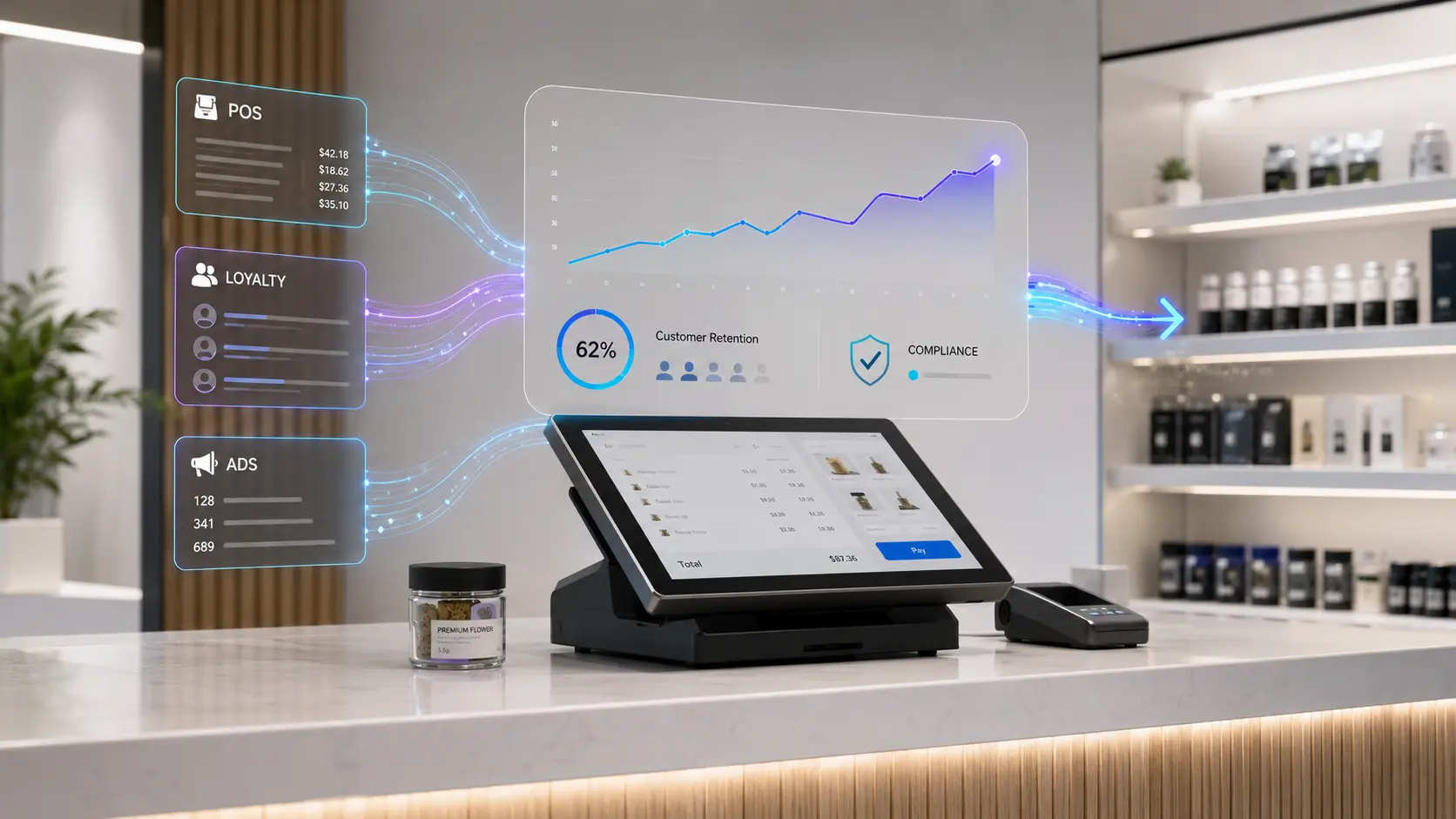
Most retailers are sitting on more data than they will ever use. Point-of-sale systems log every transaction. Loyalty programs track every repeat visit. Ad platforms record every impression. The problem is not a shortage of data, it is that the data lives in separate systems that never talk to each other. Retail analytics is the discipline of pulling those signals into one place and turning them into decisions. This guide covers what retail analytics is, the data types that matter most, and why doing it in a regulated industry like cannabis changes the rules.
What Is Retail Analytics?

Retail analytics is the practice of collecting and interpreting data across the customer journey — sales, inventory, customer behavior, and marketing performance — to make better operating and marketing decisions. At its simplest, it answers three questions: who is buying, what is driving them to buy, and what will make them come back.

Mature retail analytics moves past descriptive reporting ("what happened") into diagnostic and predictive territory ("why it happened" and "what will happen next"). The difference matters. A dashboard that tells you last month's revenue is reporting. A system that tells you which customer segment drove that revenue, which campaign influenced them, and which ones are about to lapse is analytics.

Retail analytics works alongside two related disciplines. Marketing attribution tells you what your advertising caused. Customer retention tells you how well you're keeping the customers you have. Together, the three hubs give an operator the complete picture: what's happening in the business, what marketing caused it, and how much of that customer base is being kept.
The Data Types That Matter
Useful retail analytics draws on a few distinct data streams. Each answers a different question, and the value compounds when they are connected.
Transaction data (POS)
Your point-of-sale system is the source of truth for what actually sold. It tells you order frequency, average order value, product mix, and, critically, who is a first-time buyer versus a returning one. Most retailers report on POS data in isolation. The leverage comes from tying it to marketing exposure.
Customer and audience data
This is the layer that turns transactions into people. Cohorts, segments, lifetime value, purchase frequency, and inactivity windows all live here. Audience data lets you stop treating "customers" as one undifferentiated mass and start seeing the segments that actually drive profit. Go deeper in Customer Analytics for Cannabis Retail.
Behavioral and engagement data
How customers move before they buy, what they browse, which creative they respond to, which channels they engage on, is the connective tissue between a marketing dollar and a transaction. Behavioral data is where attribution becomes possible.
Marketing performance data
Impressions, clicks, spend, and conversions by channel. On its own, this is vanity reporting. Connected to POS and customer data, it becomes the basis for measuring what your marketing actually caused see Marketing Attribution for Cannabis for the measurement side.
Why Retail Analytics Matters

Retailers operate on thin margins and rising acquisition costs. Every dollar spent acquiring a customer who never returns is a dollar lost. Retail analytics is how you stop guessing: which products to promote, which customers to retain, which campaigns to scale, and which to cut before they drain the budget.
The shift is from intuition to evidence. Instead of "we think the spring campaign worked because revenue was up," analytics lets you say "the spring campaign drove a measurable lift in returning-customer revenue, concentrated in our two highest-value segments." One of those statements survives a budget review. The other does not.
The Three Questions Retail Analytics Should Answer
Customer lifetime value (CLV) by segment is the most important number most operators don't track. It sets the ceiling for acquisition spend and the case for retention investment. See How to Forecast Customer Lifetime Value for a Cannabis Operator.
Retention rate is a reporting metric. Retention lift — the difference your advertising actually made — is a measurement metric. The dollar value of that lift, revenue defended, is what makes the case for retention investment.
This is where retail analytics hands off to marketing measurement. ROAS, incremental lift, and attribution all answer the question of what your advertising drove versus what was going to happen anyway. See How to Measure Cannabis ROAS and Incrementality.
Why Regulated Retail Is Different
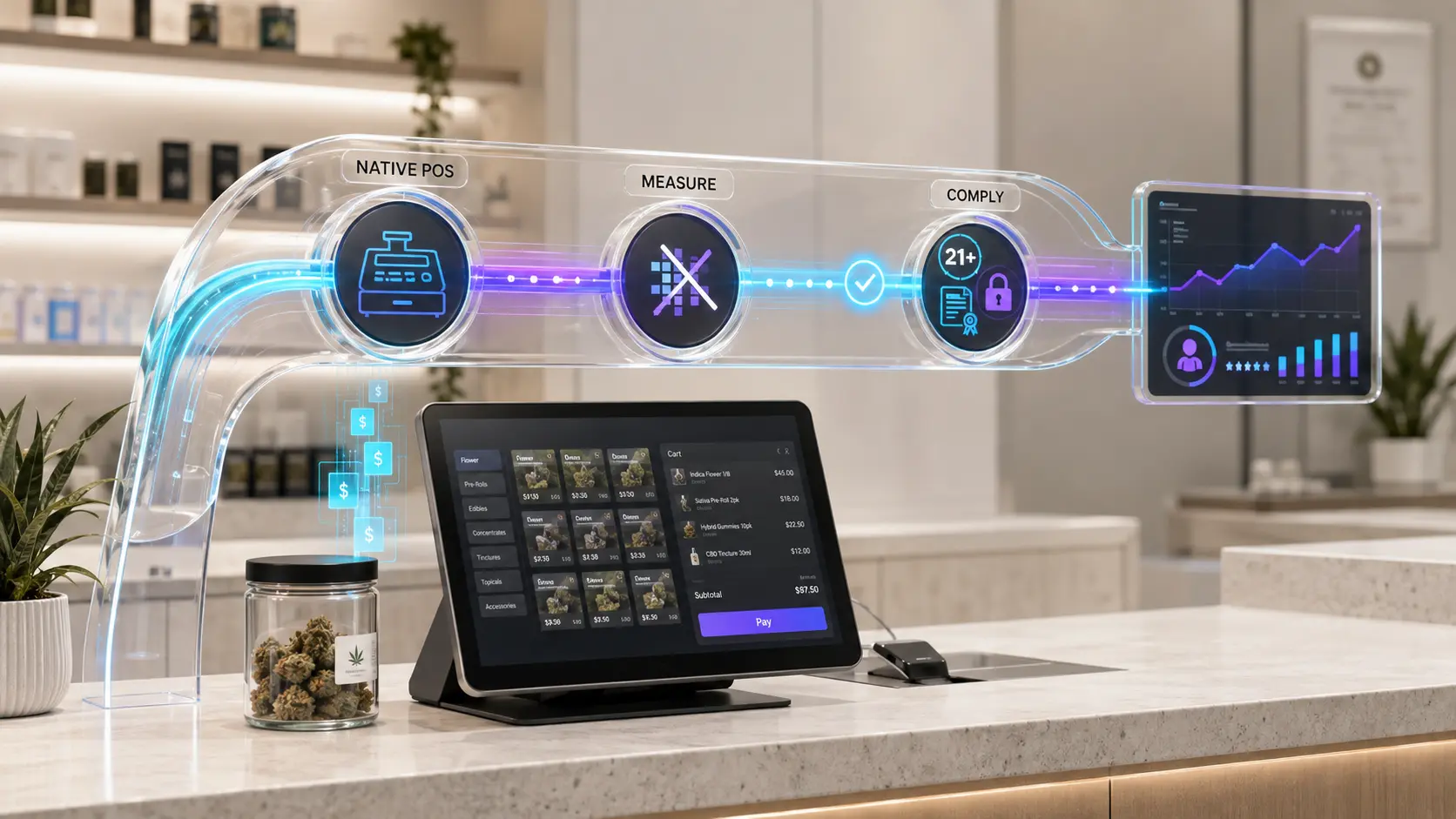
Generic retail analytics tools were built for Shopify-shaped businesses. Regulated retail — cannabis, in particular — breaks several of their assumptions.
First, the data lives in different systems. Cannabis transactions run through industry-specific point-of-sale platforms like Dutchie, Jane, and Treez, not mainstream ecommerce stacks. An analytics layer has to read those systems natively.
Second, the advertising environment is restricted. Major platforms limit or ban cannabis advertising outright, which means the usual conversion-tracking pixels and platform attribution reports are unreliable or unavailable. Measurement has to be built differently.
Third, compliance constrains the data itself. Audience targeting has to meet age and licensing requirements, and customer data has to be handled with privacy rules in mind. Analytics for regulated retail is measurement that respects those constraints instead of working around them.
From Reporting to Decisions
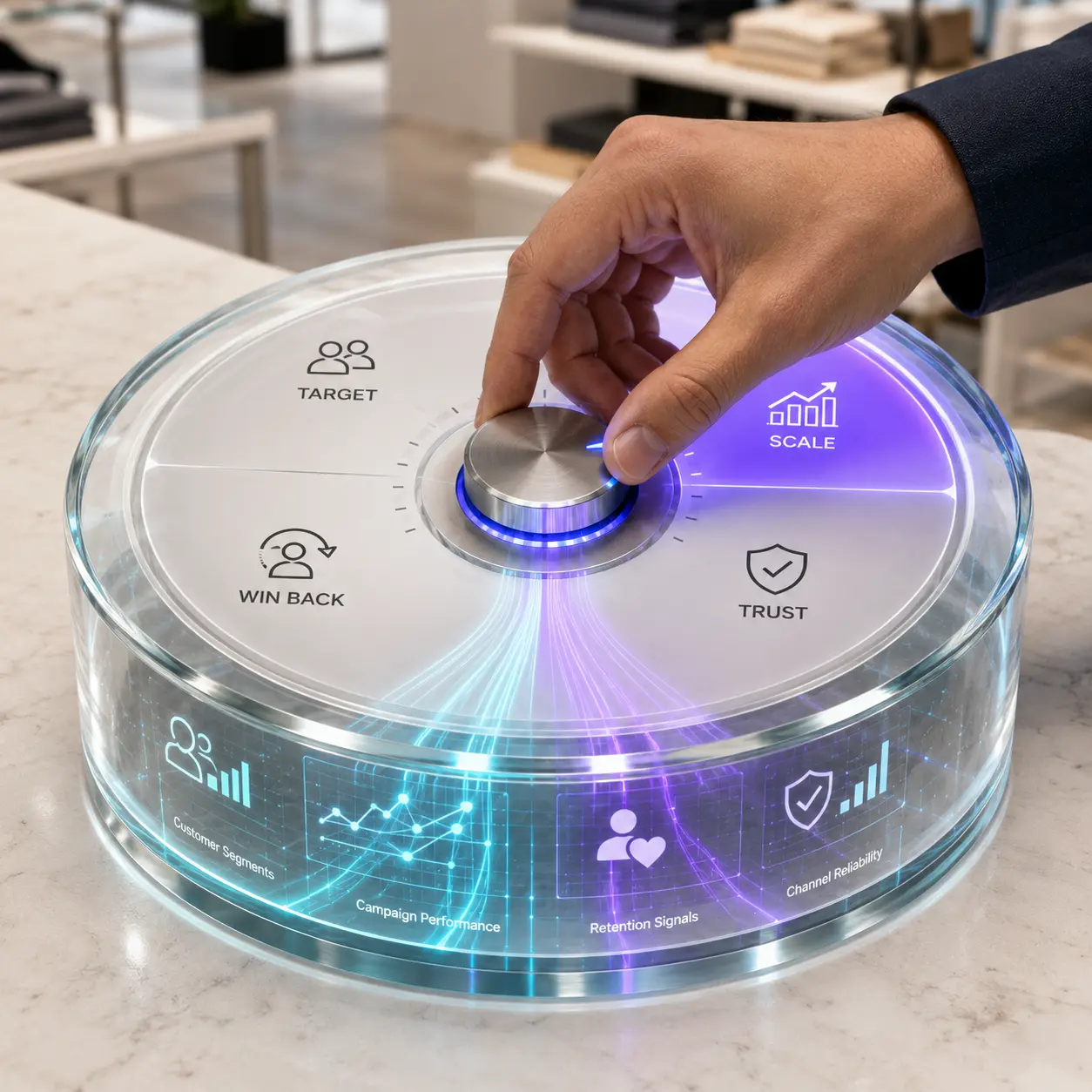
The point of retail analytics is not a prettier dashboard. It is a faster, more defensible decision. The operators who win treat analytics as the layer underneath every budget call — which segment to target, which campaign to scale, which customers to win back, and which channel to trust.

That is the role MediaJel's DataJel retail data analytics platform plays for cannabis operators: it connects POS, audience, and campaign data into one source of truth, and separates the revenue your marketing actually caused from the revenue that would have happened anyway.
Key Takeaways
Retail analytics connects sales, customer, behavioral, and marketing data into decisions — not just reports.
The four data types that matter: transaction (POS), customer/audience, behavioral, and marketing performance. Value compounds when they're connected.
It works alongside marketing attribution ("what did marketing cause?") and customer retention ("how well are we keeping customers?"). Three lenses on the same business.
Mature analytics moves from "what happened" to "why" and "what's next."
Regulated retail breaks generic tools: industry-specific POS systems, restricted ad platforms, and compliance constraints all require purpose-built measurement.
Keep Learning

Sister hubs for the complete picture
- Marketing Attribution for Cannabis — what your advertising actually caused
- Customer Retention — how well you're keeping customers and how to measure it

For specific tactics inside retail analytics
- Customer analytics for cannabis retail — segmentation, lifecycle, and activation
- How to forecast customer lifetime value — CLV math from POS data
- How to measure cannabis ROAS — defensible return on ad spend
- How to measure customer retention lift — turn retention from a rate into a defended-revenue number
- Incrementality — the methodology underneath retention lift and ROAS
Want to see retail analytics applied to your own POS data?
The strategies and insights shared in this course are based on MediaJel’s extensive experience in cannabis marketing and programmatic advertising. Results may vary based on individual implementation, market conditions, and compliance requirements.
expand & engage retain & grow
From a dispensary launching in a local market to an established brand seeking to expand worldwide, programmatic can fuel your growth.
MediaJel is the industry’s digital marketing platform of choice for grow-focused brands and retailers like you.
Ready to accelerate?